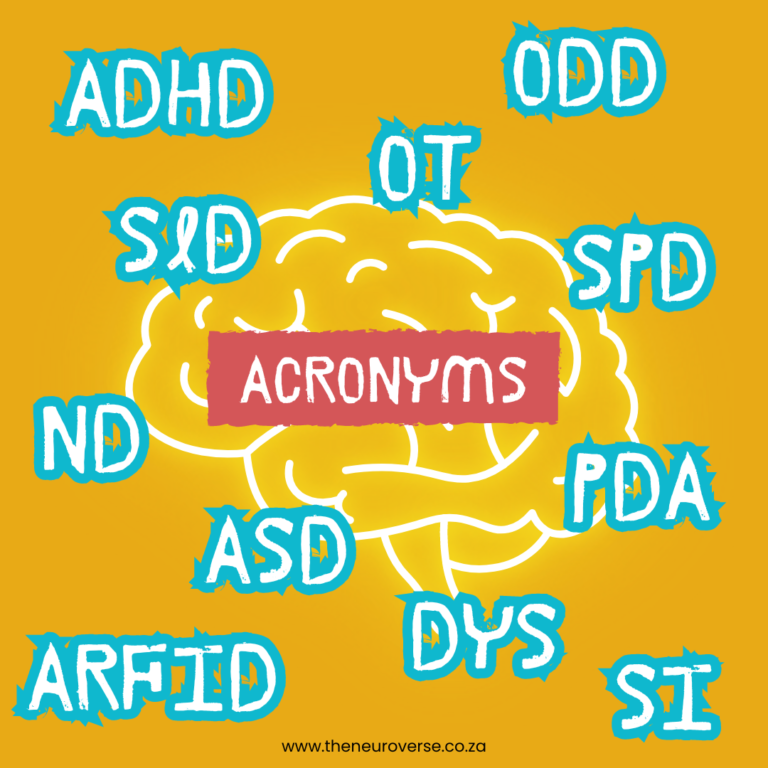

As a parent of a neurodivergent child, you may be gearing up for the upcoming school year, wondering how to make it the best experience possible. If the previous year was turbulent, you might be feeling a bit anxious. Whether your child is transitioning within the same school or making a bigger leap to a new one, it’s essential to navigate these changes with care.
1. Open Communication with the School:
Reach out to your school to discuss your child’s unique needs, and inquire about any necessary adjustments from day one. You could even create a document detailing your child’s strengths, challenges, and preferences to share with them. Identify the areas where your child may need additional support and discuss strategies.
2. Visual Timetables and School Information:
Create a simplified visual timetable for the school day, especially if your child responds well to visual aids. Post up the names of new teachers and take photos of the school to familiarise your child with the environment. The more information your child has about the school day, the smoother the transition will be.
3. Practice Traveling to School:
If your child is attending a new school, practice the daily journey together. This helps acclimate them to the upcoming routine.
4. School Routine Rehearsals:
In the week leading up to school, mimic the school routine at home. Set alarms for wake-up, mealtimes, and bedtime to help your child adjust gradually, avoiding big sleep cycle swings.
5. Tackling New Uniforms:
If there’s a new uniform involved, practice dressing and undressing. Deal with unfamiliar fastenings ahead of time to ease morning pressures. Consider adaptive clothing options if needed, especially if your child has sensory needs or aversions.
6. Personalise School Belongings:
Involve your child in choosing and personalizing their school items, such as their bag, lunchbox, and pencil case. Personalisation not only helps them recognise their belongings easily but also instils a sense of ownership and excitement.
7. Connect with Classmates:
If possible, connect with classmates before the term starts. Virtual meet-and-greets or short playdates in the initial weeks can go a long way in easing the transition.
8. Identify Comfort Items:
Encourage your child to choose a comfort item or fidget toy they can take to school. Having something familiar provides comfort during stressful moments.
9. Discuss School Routines:
Talk with your child about what they’re looking forward to and any worries they may have. Address their concerns and highlight the positive aspects of the school experience. Discuss less structured times, like lunch and break, and how to seek support if needed.
10. Familiarise with School Facilities:
Visit the school, especially if there are differences in facilities like toilets. This can help your child feel more at ease by knowing what to expect.
12. Practice Goodbyes:
If goodbyes are challenging, help your child rehearse and establish a routine for drop-offs. Consistency and positivity make farewells easier.
13. Maintain Communication with the School:
Stay in touch with the school and let them know if your child shows signs of anxiety at home. Open communication ensures a collaborative approach.
14. Prepare the Night Before:
Ease morning chaos by preparing clothes and bags the night before. Having everything ready can make mornings smoother. Involving your child in the preparation can also help your child feel more prepared.
15. Prioritise Self-Care:
As the term approaches, prioritise your own self-care. Your well-being impacts your child’s experience, so take moments for yourself.
Even with limited time before the term begins, implementing these steps can significantly enhance the transition for your neurodivergent child. Stay flexible, be ready to adapt, and keep the lines of communication open with the school throughout the process. Your proactive approach will contribute to a positive start to the new academic year.