↓ Skip to Main Content
THE NEUROVERSE LOGO
  • Facebook
  • Instagram

Main Navigation

  • Home
  • About
  • Articles
    • Articles
    • Tips From Instagram
  • Support
    • Support Tools
    • Products
    • Friendship Skills Groups
  • Corporate Neurodiversity
  • Directory
    • Health Specialists Directory
    • Neuroinclusive Schools South Africa
    • Directory Membership
  • Contact Us
THE NEUROVERSE LOGO
  • Facebook
  • Instagram

Off Canvas Menu

  • Home
  • About
  • Articles
    • Articles
    • Tips From Instagram
  • Support
    • Support Tools
    • Products
    • Friendship Skills Groups
  • Corporate Neurodiversity
  • Directory
    • Health Specialists Directory
    • Neuroinclusive Schools South Africa
    • Directory Membership
  • Contact Us

Category: Autism Spectrum Disorder

Autism Spectrum Disorder

Task Paralysis: When Your Brain Wants to Start… But Just Can’t

Task Paralysis: When Your Brain Wants to Start… But Just Can’t

By theneuroverse Posted in ADHD, Autism Spectrum Disorder, Practical Strategies Tagged with adhd, ASD, autism, brain, education, help, neurodivergent child, practical, support, tips

Task paralysis is more than procrastination. For many neurodivergent people, starting a task can feel neurologically overwhelming.
Read more ›

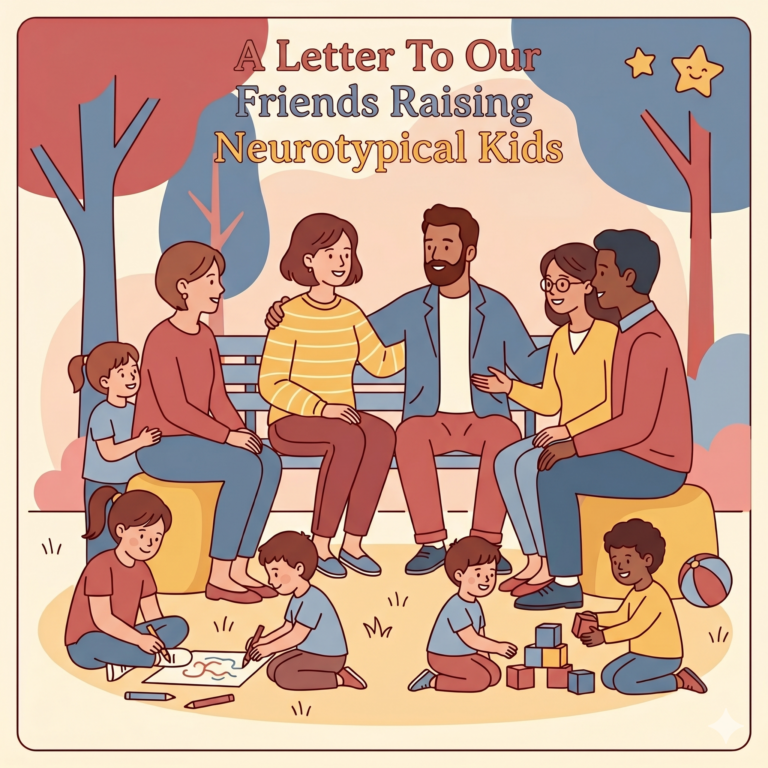
A Letter To Our Friends Raising Neurotypical Kids

A Letter To Our Friends Raising Neurotypical Kids

By theneuroverse Posted in Autism Spectrum Disorder, Parenting Tagged with ASD, autism, help, neurodivergent child, parent, support, theneuroversity

A heartfelt letter explaining the lived reality of parenting neurodivergent children, and how friends can offer true understanding, acceptance, and support.
Read more ›

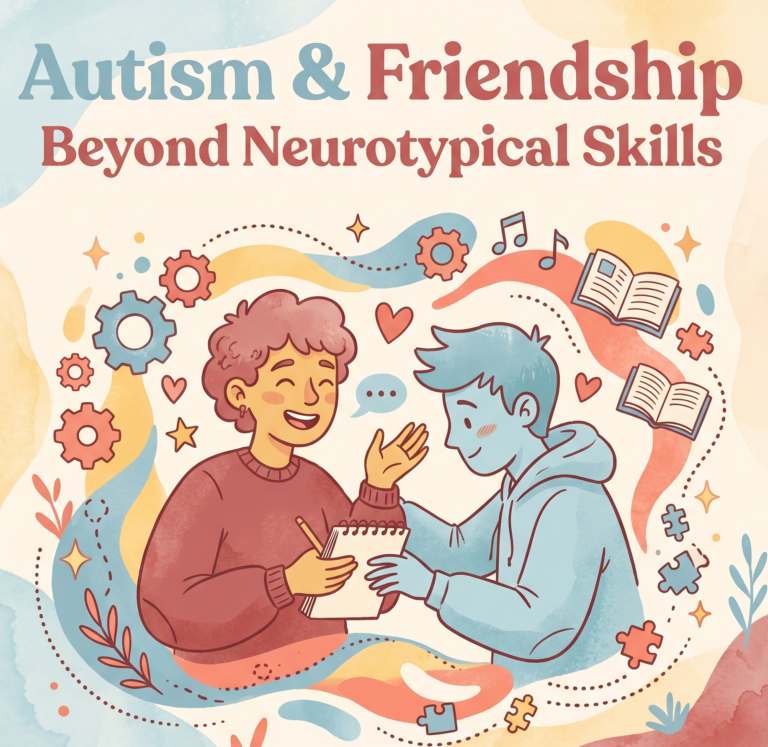
Autism & Friendship: Beyond Neurotypical Skills

Autism & Friendship: Beyond Neurotypical Skills

By theneuroverse Posted in Autism Spectrum Disorder, Parenting, Practical Strategies Tagged with ASD, autism, help, neurodivergent child, support, theneuroversity, tips

Autistic friendship doesn’t need fixing. Learn how to support real connection while teaching social skills as tools for confidence, safety, and meaningful relationships.

Read more ›

Autism Awareness: What Acceptance Actually Looks Like at Home

Autism Awareness: What Acceptance Actually Looks Like at Home

By theneuroverse Posted in Autism Spectrum Disorder Tagged with ASD, autism, help, neurodivergent child, parent, support

Acceptance vs. Awareness. Every April, the world turns its attention to autism. And somewhere in the middle of it all, you’re still trying to get your child’s shoes on before the school run.

Read more ›

What Looks Like Defiance: Understanding the Distress Behind Behaviour

What Looks Like Defiance: Understanding the Distress Behind Behaviour

By theneuroverse Posted in Parenting, PDA, Practical Strategies, The Neuroversity, Understanding Behaviour Tagged with adhd, ASD, autism, brain, defiance, help, neurodivergent child, parent, support, tips

It’s easy in that moment to see defiance, but what if what looks like defiance is actually something very different?

Read more ›

Autism in Girls and Women: Why It’s Often Missed

Autism in Girls and Women: Why It’s Often Missed

By theneuroverse Posted in Autism Spectrum Disorder, The Neuroversity Tagged with ASD, autism, brain, girls, neurodivergent child, support, theneuroversity, women

Autism doesn’t look the same for girls and women. Their traits can be quieter, subtler, or wrapped up in a lot of “masking,” making them harder to spot.

Read more ›

The PDA Controversy

The PDA Controversy

By theneuroverse Posted in Autism Spectrum Disorder, Co-occurring Conditions, PDA, The Neuroversity Tagged with anxiety, ASD, autism, neurodivergent child, PDA, support, theneuroversity

A recent review examined the controversy around Pathological Demand Avoidance (PDA).

Read more ›

Major New Study Identifies Four Core Subtypes of Autism

Major New Study Identifies Four Core Subtypes of Autism

By theneuroverse Posted in Autism Spectrum Disorder, Research & Specialist Views, The Neuroversity Tagged with ASD, autism, autistic, neurodivergent child, science, theneuroversity

Groundbreaking autism research has just revealed what many parents have known all along — autism is not one condition, but many.

Read more ›

PDA: Nervous System & Polyvagal Theory

PDA: Nervous System & Polyvagal Theory

By theneuroverse Posted in Autism Spectrum Disorder, Co-occurring Conditions, Parenting, PDA, The Neuroversity Tagged with ASD, autism, brain, neurodivergent child, PDA, theneuroversity

Viewing PDA through the lens of Polyvagal Theory provides invaluable insight into how a child’s nervous system reacts to demands and offers strategies to help them achieve a state of regulation and safety.

Read more ›

Rethinking Social Connection in Neurodivergent Kids

Rethinking Social Connection in Neurodivergent Kids

By theneuroverse Posted in ADHD, ADHD in Children, Autism Spectrum Disorder, Parenting, The Neuroversity Tagged with adhd, autism, brain, help, neurodivergent child, social, support, theneuroversity, theory of mind

Being able to imagine what someone else may be thinking or feeling is called Theory of Mind. But what happens when this skill works differently?

Read more ›

Posts pagination

1 2 3 Next
  • ADHD
  • ADHD in Adults
  • ADHD in Children
  • ADHD in Girls
  • ADHD in Teenagers
  • ADHD Medication and Interventions
  • Autism Spectrum Disorder
  • Co-occurring Conditions
  • Diagnosis
  • Dyslexia
  • Education & School Support
  • Health, Support & Medication
  • Learning Differences
  • Parenting
  • PDA
  • Practical Strategies
  • Real Stories
  • Research & Specialist Views
  • The Neuroversity
  • Tips
  • Uncategorized
  • Understanding Behaviour
  • Workspace and Corporate
  • Task Paralysis: When Your Brain Wants to Start… But Just Can’t
  • A Letter To Our Friends Raising Neurotypical Kids
  • Autism & Friendship: Beyond Neurotypical Skills
  • Autism Awareness: What Acceptance Actually Looks Like at Home
  • ADHD Around the World: A Traveller’s Guide
  • May 2026
  • April 2026
  • March 2026
  • February 2026
  • January 2026
  • November 2025
  • October 2025
  • September 2025
  • August 2025
  • July 2025
  • June 2025
  • May 2025
  • April 2025
  • March 2025
  • February 2025
  • January 2025
  • November 2024
  • October 2024
  • September 2024
  • August 2024
  • July 2024
  • June 2024
  • May 2024
  • April 2024
  • March 2024
  • February 2024
  • January 2024
  • December 2023
  • November 2023

Footer Menu

  • Home
  • About
  • Articles
  • Support
  • Corporate Neurodiversity
  • Directory
  • Contact Us

Footer Menu

  • Home
  • About
  • Articles
  • Support
  • Corporate Neurodiversity
  • Directory
  • Contact Us

Copyright © 2026 The Neuroverse |Privacy Policy

Copyright © 2026 The Neuroverse |Privacy Policy