

When most people picture autism, they’re usually thinking of how it shows up in boys. But autism doesn’t look the same for everyone — and that’s one reason so many girls and women slip through the cracks. Their traits can be quieter, subtler, or wrapped up in a lot of “masking,” making them harder to spot.
How common is it?
The CDC’s most recent surveillance report (2022 birth cohort observed at age 8) estimates that about 1 in 31 children are identified with autism in the U.S. Earlier estimates were 1 in 36 (2020 cohort) and 1 in 44 (2018), showing a steady rise in identification over time.
Boys are still identified far more often than girls — roughly three boys for every girl. But research suggests this gap isn’t as wide as it looks. Many girls are simply being missed or diagnosed later in life.
Why girls are under-identified
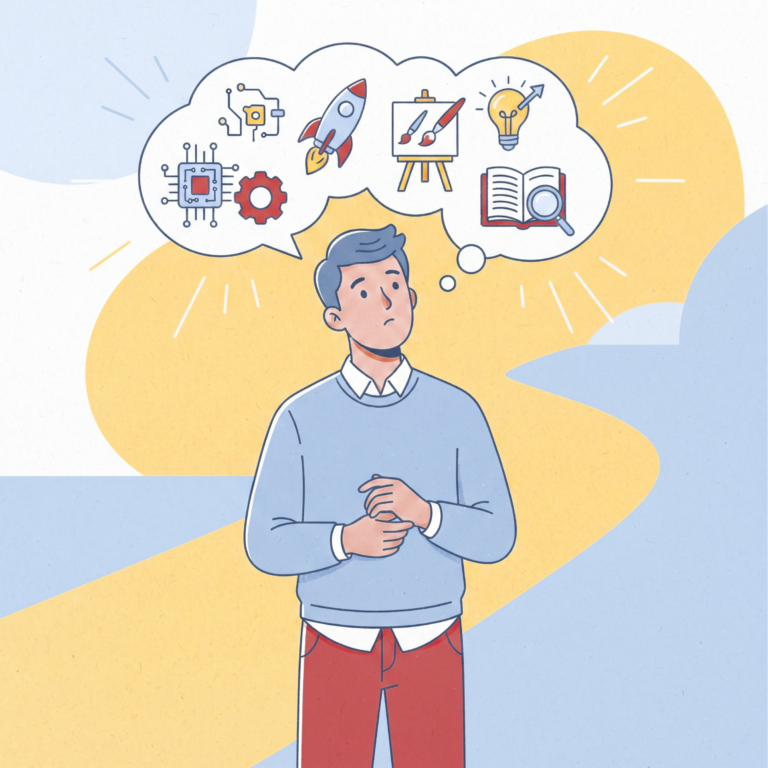
- Different phenotypes. Autistic traits can manifest differently in girls (e.g., intense interests that align with age-typical themes such as books or animals and/or strong rote social scripts), which can slip past screeners calibrated on male-typical presentations.
- Camouflaging/masking. Many girls and women “mask” behaviours by consciously or unconsciously imitating neurotypical social behaviour to “fit in,” which reduces clinician-observed signs and delays diagnosis—but often at a cost to mental health.
The teenage years: when it gets harder
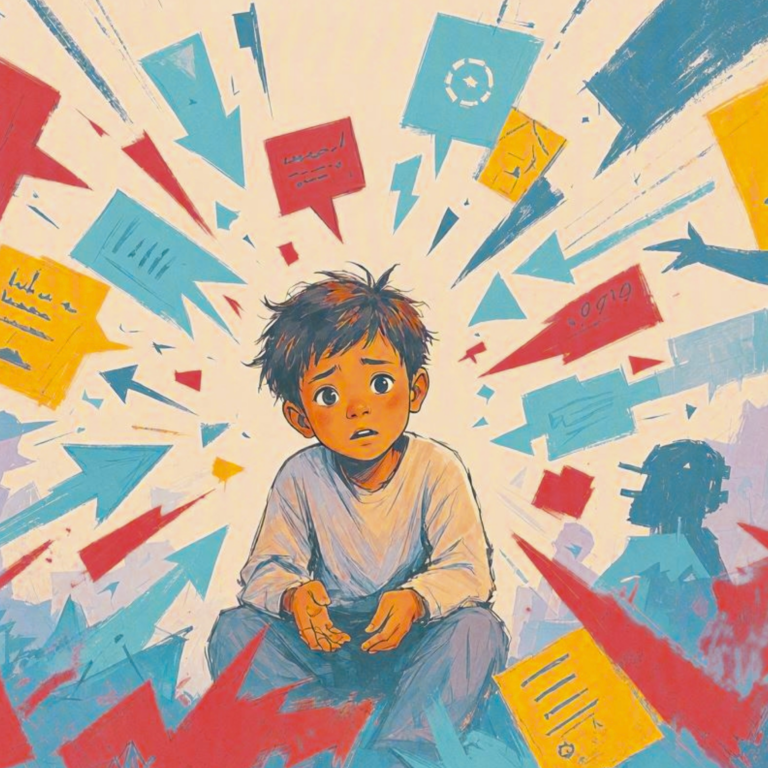
As social expectations escalate in tweens/teens, maintaining friendships, navigating group dynamics, and decoding unspoken rules can become more challenging—especially for those who have been masking for years. Studies of school-age girls highlight higher rates of loneliness/overlooked status (rather than overt rejection) and greater reliance on masking to cope.
Health matters too
Girls and women on the spectrum often experience more than just the challenges of autism itself — their health can be affected in other ways too.
- Periods and hormones: Many autistic women report more painful or irregular periods than their peers, and sometimes stronger hormone-related symptoms.
- Headaches and migraines: Migraines are more common in autistic adults, and since women in general are already at higher risk, autistic women often feel the double impact.
- Overall health load: Research shows autistic people are more likely to have additional health conditions compared with non-autistic peers, and the types of issues can look different for girls and women.
The bottom line: Doctors shouldn’t just look at social or communication traits — they should also ask about periods, pain, headaches, fatigue, and the stress of constantly “masking.” These health pieces matter just as much in giving girls and women the right support.
Subtle Signs That Are Easy to Miss
Autism in girls often shows up in quieter ways. Some things to look out for:
- Great at “playing the part” socially — she may follow social scripts really well, but struggle with natural back-and-forth conversations.
- Deep interests that seem typical — animals, books, celebrities — but the focus and intensity go far beyond what’s usual.
- Perfect at school, meltdown at home — she holds it all together in class, but the effort shows once she’s back in her safe space.
- Anxiety or low mood in the spotlight — her struggles might look more like perfectionism, stress, or sadness, rather than “classic autism signs.”
These patterns are part of what researchers call the “female autism profile” — and they mean girls often go unnoticed or misdiagnosed.
How Families and Schools Can Help
- Look with a gender-aware lens. If she’s exhausted, rigid with routines, or masking constantly, take it seriously — even if she “seems fine” in class.
- Pay attention to the whole picture. Note how she copes at school versus what happens when she gets home. The contrast tells an important story.
- Offer support, not just supervision. Create predictable routines, build in rest time, and reduce the pressure to mask. The goal is to give her energy back, not take more of it away.
References
Centers for Disease Control and Prevention. (2025). Data & statistics on autism spectrum disorder. U.S. Department of Health & Human Services.
https://www.cdc.gov/autism/data-research/index.html
Hull, L., Mandy, W., & Petrides, K. V. (2017). “Putting on my best normal”: Social camouflaging in adults with autism spectrum conditions. Autism, 21(4), 417–426.
https://pmc.ncbi.nlm.nih.gov/articles/PMC5509825/
Hull, L., Levy, L., Lai, M.-C., Baron-Cohen, S., Allison, C., Smith, P., & Mandy, W. (2020). The female autism phenotype and camouflaging: A narrative review. Review Journal of Autism and Developmental Disorders, 7(4), 306–317.
https://link.springer.com/article/10.1007/s40489-020-00197-9
Loomes, R., Hull, L., & Mandy, W. P. L. (2017). What is the male-to-female ratio in autism spectrum disorder? A systematic review and meta-analysis. Journal of the American Academy of Child & Adolescent Psychiatry, 56(6), 466–474.
https://pubmed.ncbi.nlm.nih.gov/28545751/
Sedgewick, F., Hill, V., & Pellicano, E. (2016). Gender differences in the social motivation and friendship experiences of autistic adolescents. Journal of Autism and Developmental Disorders, 46(4), 1297–1306.
https://pmc.ncbi.nlm.nih.gov/articles/PMC4786616/
Tomlinson, C., Bond, C., & Hebron, J. (2020). The school experiences of autistic girls: A systematic literature review. Support for Learning, 35(1), 1–22.
https://eprints.whiterose.ac.uk/id/eprint/149800/
Groenman, A. P., Wong, C., van Santbrink, E. J., & Mandy, W. (2021). Menstruation and menopause in autistic adults. Autism, 25(7), 1900–1913.
https://pmc.ncbi.nlm.nih.gov/articles/PMC9344571/
Vetri, L. (2020). Autism and migraine: An unexplored association? Brain Sciences, 10(10), 1–12.
https://pmc.ncbi.nlm.nih.gov/articles/PMC7565535/
Skommer, J., Szołtysik, R., & Talarowska, M. (2025). Autism, menstruation and mental health: A scoping review and recommendations. BMJ Mental Health. Advance online publication.
https://pmc.ncbi.nlm.nih.gov/articles/PMC12237902/