
ADHD 101 for Junior School Teachers
A teacher's guide to ADHD in junior school.
A teacher's guide to ADHD in junior school.
Discover the physical, neurological, and emotional factors behind bedwetting in older children with practical tips.

Many neurodivergent children aren't refusing school—they simply can't cope with the demands being placed on them. Learn the difference between school refusal and school can't, and how to provide meaningful support.
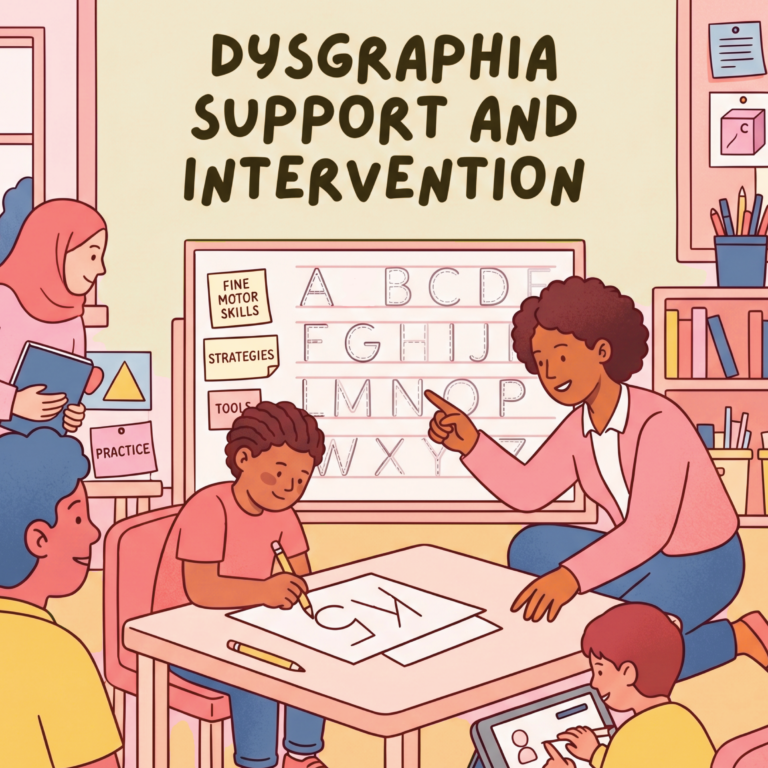
Dysgraphia support is not about forcing neater handwriting — it is about helping children communicate with less stress and more confidence.
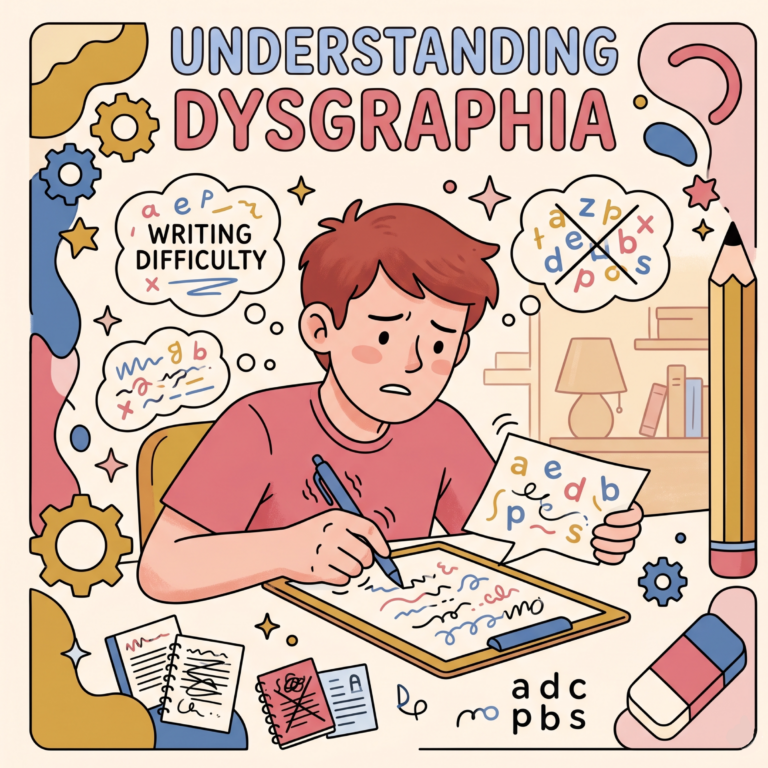
Dysgraphia is far more than messy handwriting. Here's what you need to know.

Task paralysis is more than procrastination. For many neurodivergent people, starting a task can feel neurologically overwhelming.

How to Decide About Medication Without Panic: A Neurodiversity-Informed Guide for South African Parents
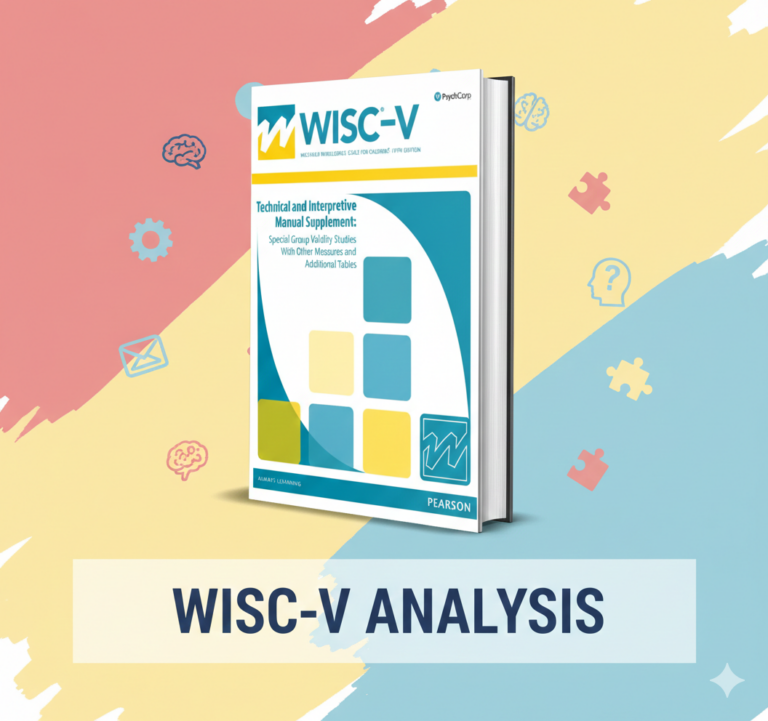
Learn what a WISC-V assessment is, what it measures, and how it helps identify your child’s learning strengths, challenges and support needs.

Why both parents’ input at a child’s healthcare visit improves understanding, reduces stress, and supports better outcomes for neurodivergent children and families.
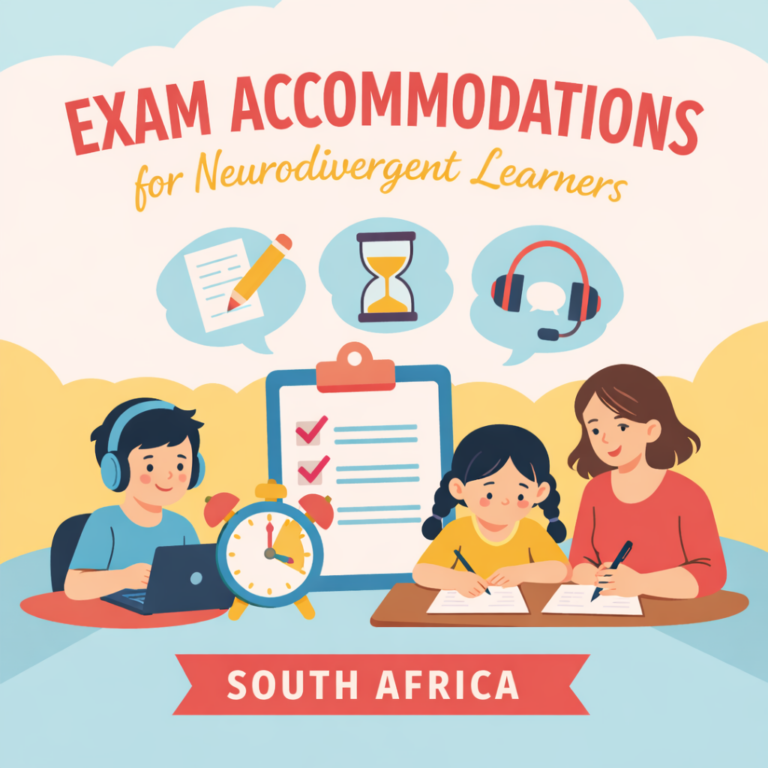
A guide to exam accommodations in south africa and how to apply for them in government and private schools.