Why Neurodiversity Should Be Part of Every South African Classroom
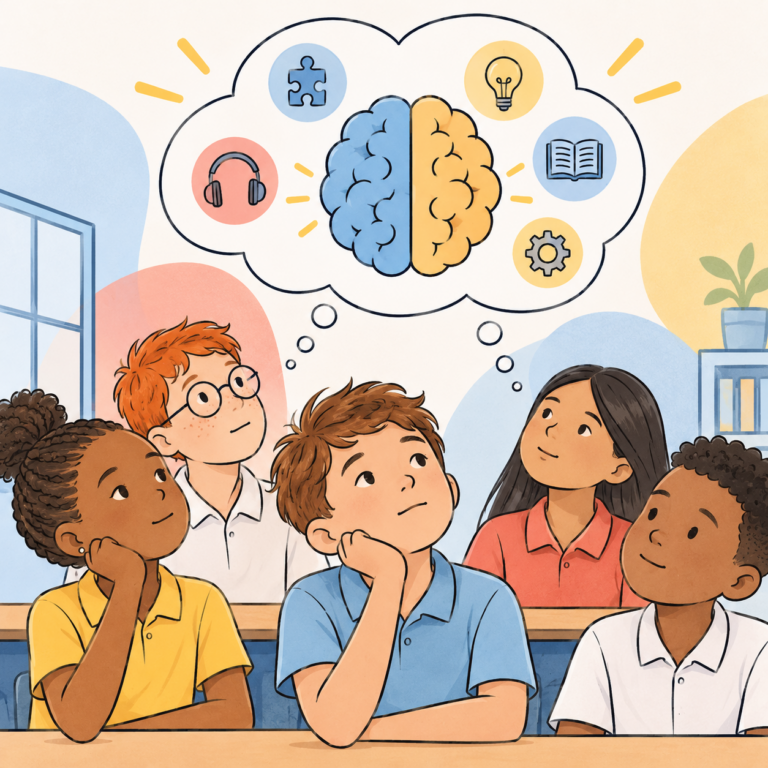
The Neuroverse calls on South African schools to teach children about neurodiversity, understand different brains and create more inclusive classrooms.
The Neuroverse calls on South African schools to teach children about neurodiversity, understand different brains and create more inclusive classrooms.

Protect your child's progress into the new school year with a seamless handover between teachers, schools, and therapists.

Neurodivergent adults can thrive in many careers. Understanding individual strengths, interests and environments matters more than diagnosis or job titles.
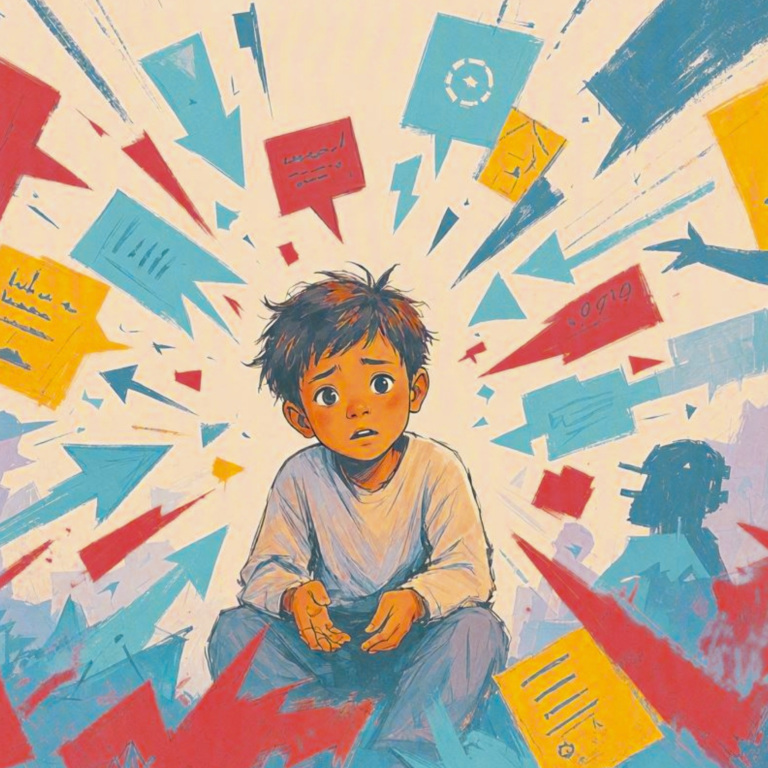
Childhood feedback can shape how neurodivergent children view failure, influencing confidence, persistence and the careers they ultimately choose.
What happens when your child goes to tertiary education? Have you kept your records? What about concessions? So many questions answered by a dad who's going through it all.
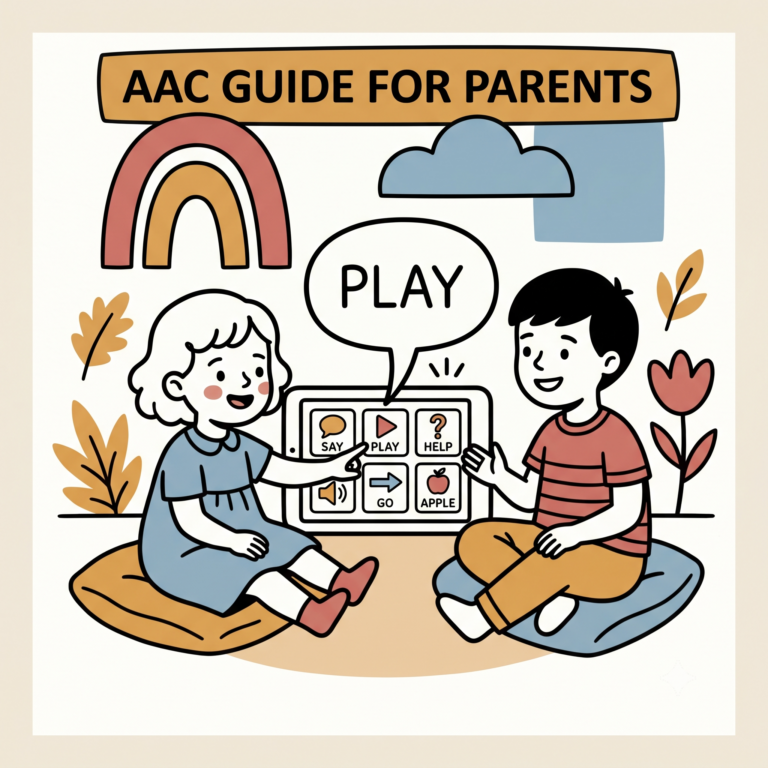
Discover the best AAC apps, communication devices and assistive technology for non-speaking children, including free and AI-powered tools.
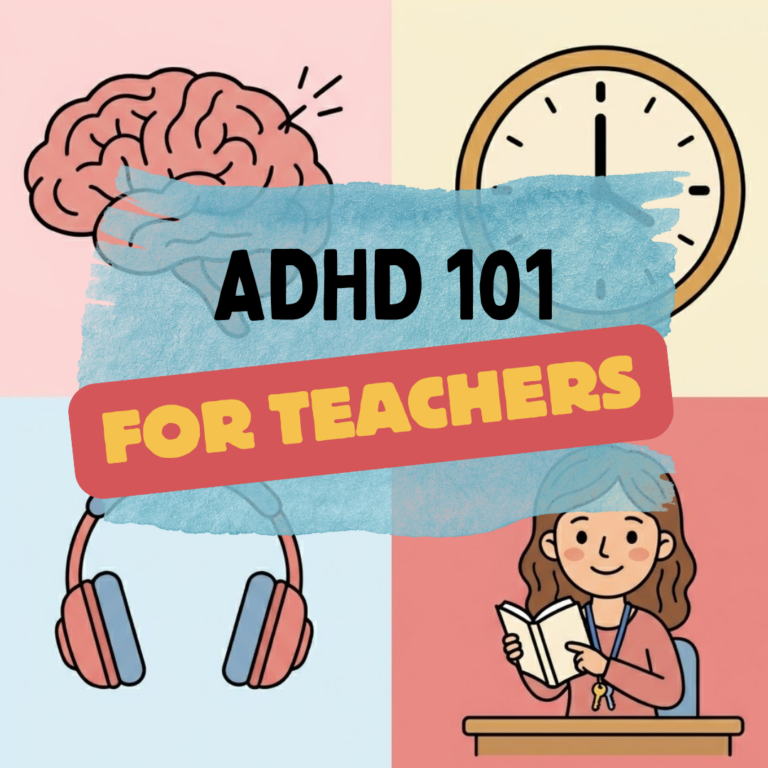
A teacher's guide to ADHD in junior school.

Many neurodivergent children aren't refusing school—they simply can't cope with the demands being placed on them. Learn the difference between school refusal and school can't, and how to provide meaningful support.
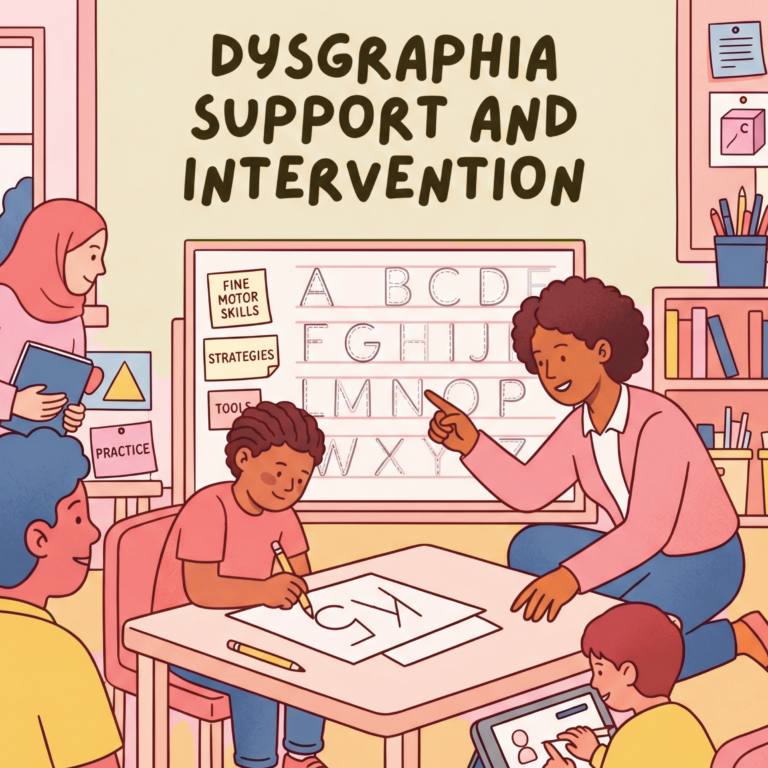
Dysgraphia support is not about forcing neater handwriting — it is about helping children communicate with less stress and more confidence.
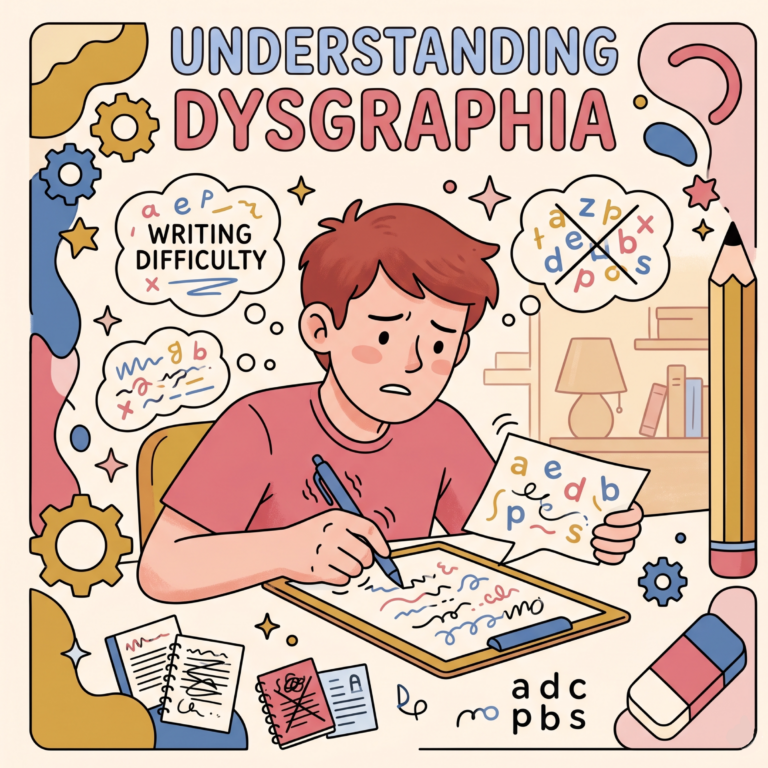
Dysgraphia is far more than messy handwriting. Here's what you need to know.