
Isn’t it crazy to think that most women with ADHD are only properly diagnosed in their late 30s or early 40s!?
Why is it that girls* with ADHD are more likely to go undiagnosed or be diagnosed later than boys?
There are many reasons, here are some of the major ones to look out for in your girl-child…
*Just a note: In this article we’re using the word ‘girl’ as referring to those whose sex when born was female. *
1. Presentation of Symptoms:
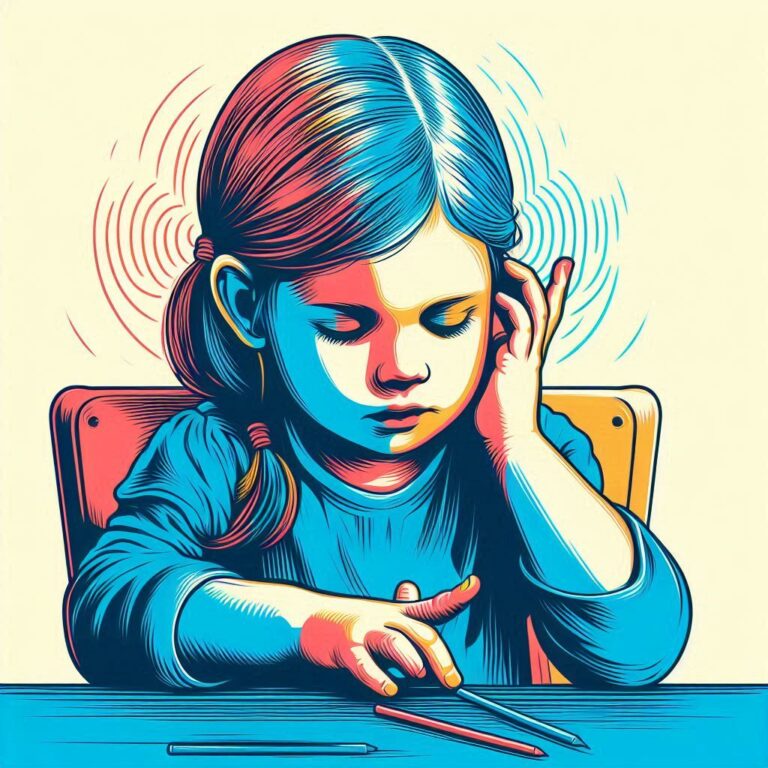
Girls with ADHD often exhibit symptoms differently to boys. While boys may display more overt hyperactivity, girls may internalize their struggles and show symptoms such as daydreaming, disorganization, and emotional dysregulation, making their symptoms less conspicuous.
2. Social Expectations:
Societal expectations and gender stereotypes can influence how ADHD is recognized. Girls are often expected to be more organised, quiet, and compliant, and when they don’t fit these stereotypes, their ADHD symptoms may be overlooked or attributed to other causes.
3. Coping Mechanisms:
Girls with ADHD may develop coping mechanisms that mask their symptoms. For example, they may work hard to compensate for their difficulties by putting in extra effort, which can make it less apparent that they are struggling.
4. Inattentiveness Over Hyperactivity:
Girls with ADHD may be more likely to have the inattentive subtype rather than the hyperactive-impulsive subtype. Since hyperactivity is often associated with ADHD, those with the inattentive subtype may be overlooked, especially if their symptoms are less disruptive in a classroom setting.
5. Co-Existing Conditions:
Girls with ADHD may have comorbid conditions, such as anxiety or depression, which can overshadow ADHD symptoms. These comorbidities may be more readily recognized and treated, while the underlying ADHD may be missed.
6. Teacher and Parental Awareness:
Teachers and parents may be less familiar with the presentation of ADHD in girls, leading to a lack of recognition. Educators and healthcare professionals may be more attuned to recognizing hyperactivity, which is often more evident in boys.
7. Internalization of Symptoms:
Girls with ADHD may internalize their struggles, leading to emotional distress and self-esteem issues rather than outward disruptive behavior. This internalization can make it less likely for their symptoms to be recognized by others.
8. Underreporting by Girls:
Girls may be less likely to report their symptoms or seek help due to societal expectations, fear of judgment, or a desire to conform to social norms.
It’s essential for parents, teachers, and healthcare professionals to be aware of the diverse ways ADHD can manifest in girls and to consider the possibility of ADHD when evaluating academic, social, and emotional challenges.
A comprehensive assessment by a healthcare professional experienced in ADHD diagnosis is crucial for accurate identification and appropriate intervention. Early diagnosis and intervention can significantly improve outcomes for individuals with ADHD.