Social Reciprocity in Neurodivergent Children
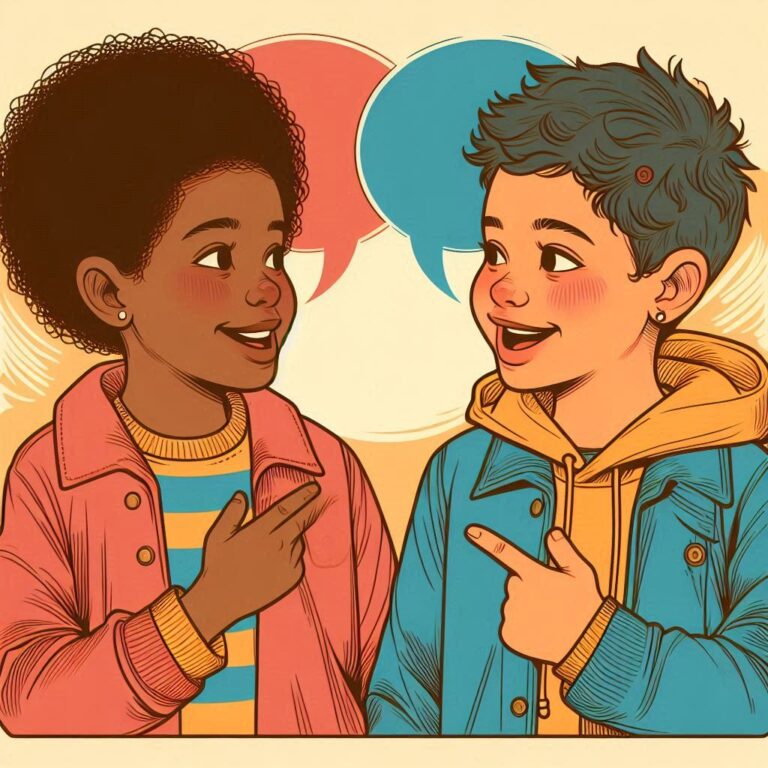
Understanding social reciprocity and knowing how to help neurodivergent children improve can make a big difference in their lives.
Understanding social reciprocity and knowing how to help neurodivergent children improve can make a big difference in their lives.
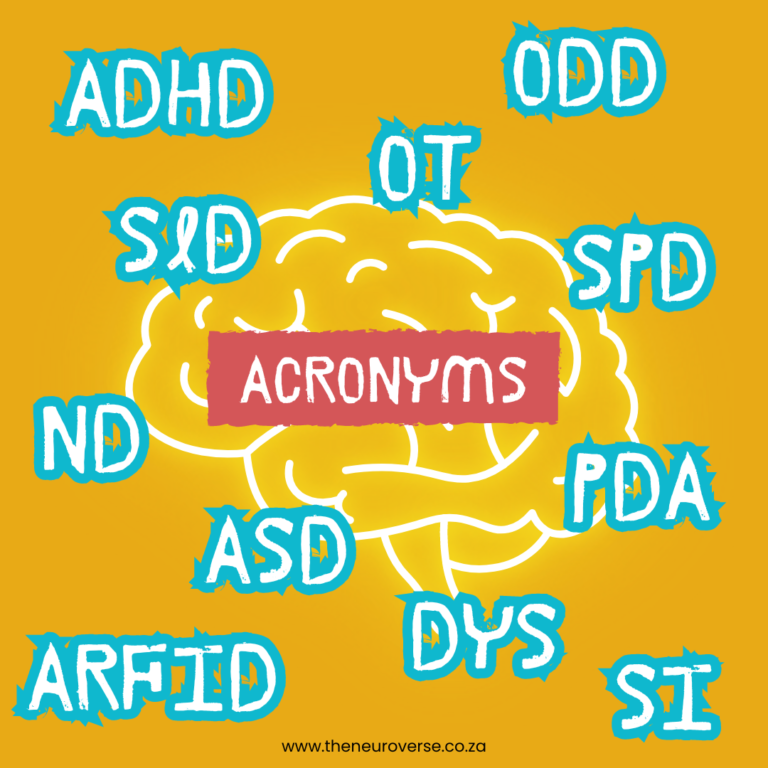
The confusing world of acronyms used in the neurodivergent community explained!
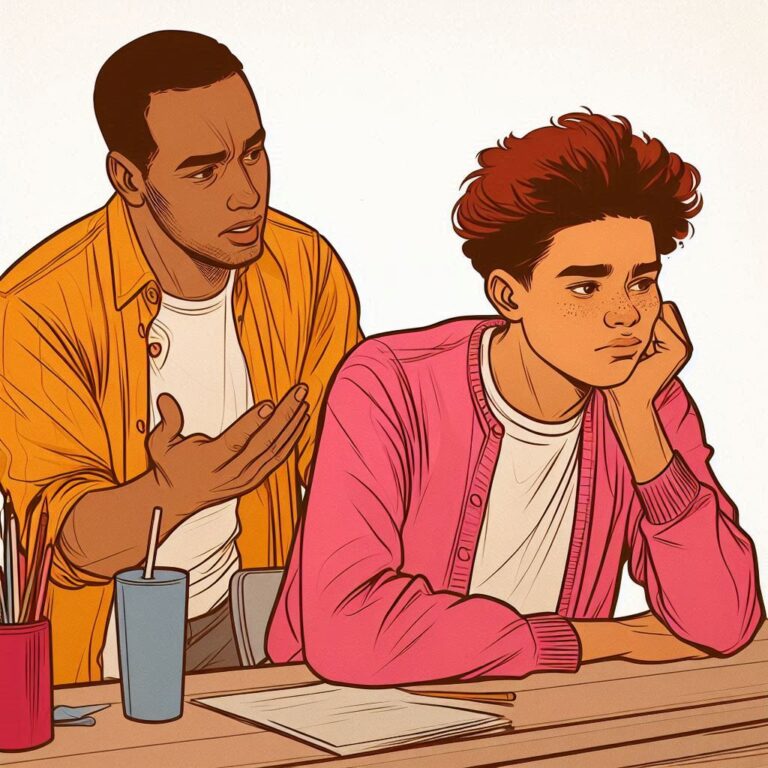
Declarative language is a communication strategy that can be especially helpful when supporting neurodivergent children, such as those with autism or ADHD.
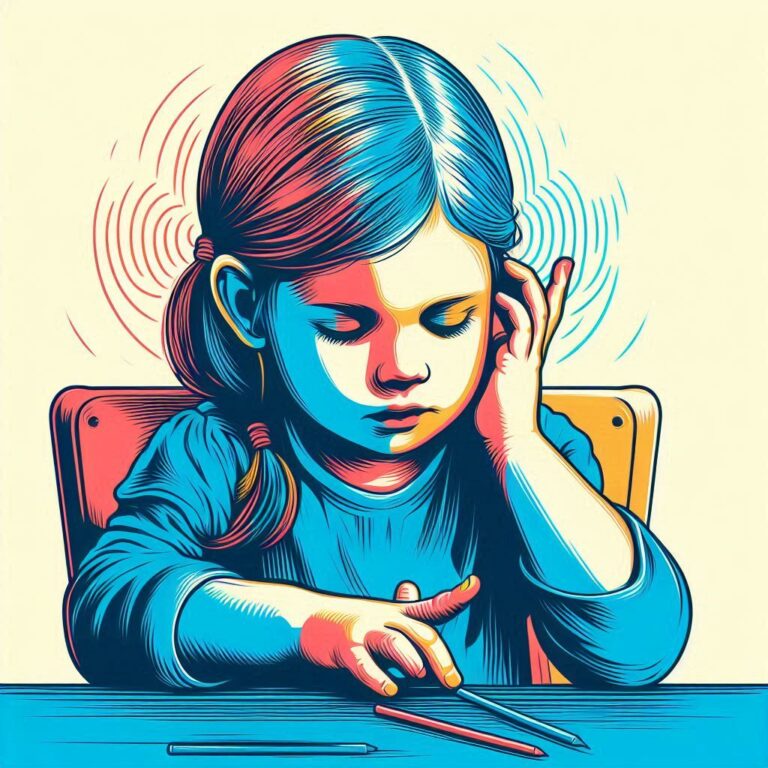
From biting nails and eating hair to humming and hand flapping, stimming can involve a variety of behaviours.

Misophonia is a condition where specific sounds, like chewing or tapping, trigger intense emotional reactions such as anger or anxiety. It’s common in neurodivergent individuals. Find out more.
How can coloured filters help improve reading ability? What is the science behind their effectiveness, and what are the best colours to use?
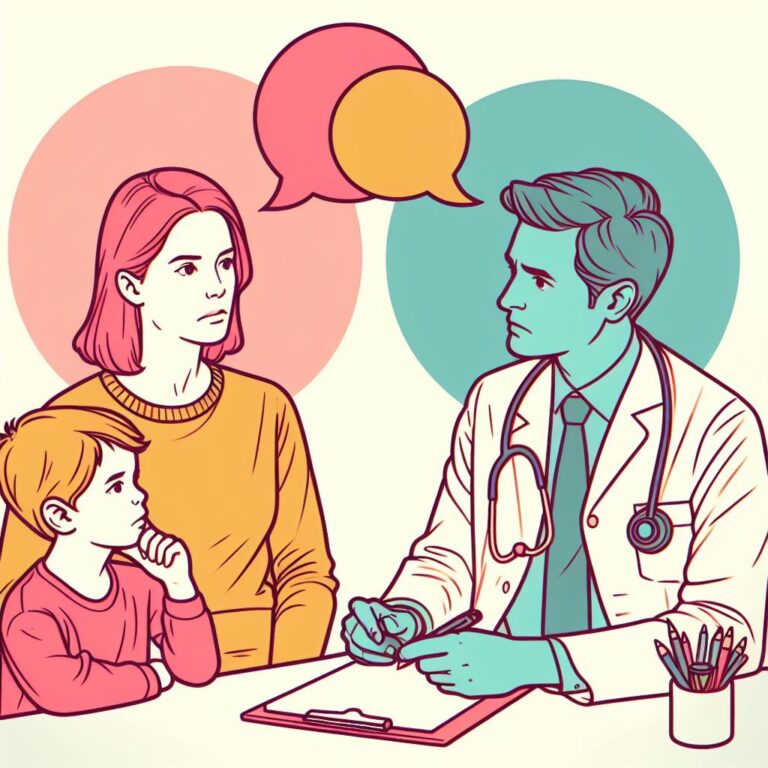
Have your concerns been dismissed by a health professional or teacher? Has the blame for your child's behaviour been shifted to you?
Understanding the criteria outlined in the DSM-5 can help parents recognise potential signs and seek appropriate evaluation and support for their children.

Did you know that you may qualify for claiming a medical tax credit and possibly get a tax refund if your child has a disability like ADHD or ASD?