

Introduction
Misophonia, a condition characterised by strong emotional reactions to specific sounds, is often an overlooked aspect of sensory processing disorders. For neurodivergent children, such as those with autism spectrum disorder (ASD) or attention-deficit/hyperactivity disorder (ADHD), misophonia can be a particularly challenging comorbidity. Understanding what misophonia is, its prevalence among neurodivergent children, and strategies for coping can empower parents to support their children more effectively.
What is Misophonia?
Misophonia literally means “hatred of sound.” It is not just about disliking certain noises, it involves intense emotional reactions, such as anger, anxiety, or panic, to specific sounds like chewing, tapping, or breathing. These reactions can significantly impact daily life, leading to avoidance behaviours and heightened stress.
Prevalence and Comorbidity
While exact prevalence rates of misophonia are still being studied, it is known to be more common in neurodivergent populations. Research suggests that children with conditions like ASD and ADHD are more likely to experience sensory processing issues, including misophonia. For instance, a study published in the Journal of the American Academy of Child and Adolescent Psychiatry found that sensory over-responsivity, which includes misophonia, is prevalent in up to 70% of children with ASD.
Why Neurodivergent Children?
Neurodivergent children often have heightened or atypical sensory processing. The neural pathways that process sensory information can differ significantly in these children, making them more sensitive to stimuli that others might not even notice. This increased sensitivity can exacerbate the emotional responses associated with misophonia.
HERE’S AN EXAMPLE:
Jack’s Experience with Misophonia
Jack, a 10-year-old boy diagnosed with autism spectrum disorder (ASD), experiences intense emotional reactions to certain everyday sounds. One of his most significant triggers is the sound of people chewing.
At Home:
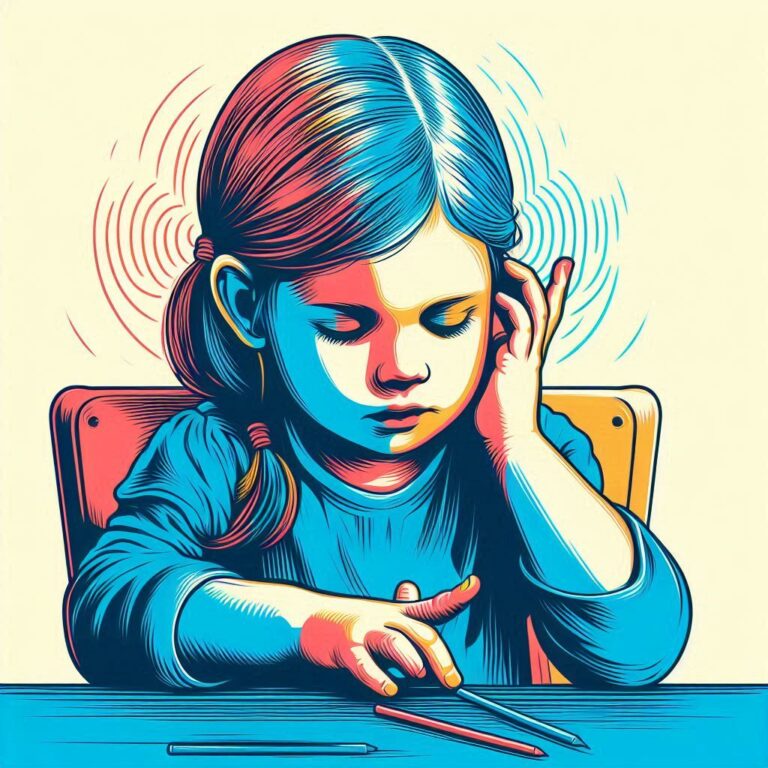
During family dinners, Jack becomes visibly distressed. As soon as he hears the crunching sound of someone biting into a carrot or the slurping of soup, he feels a surge of anger and anxiety. His heart starts racing, his muscles tense up, and he often feels the urge to scream or cry. To cope, Jack sometimes covers his ears or leaves the table abruptly, which can cause tension and confusion among family members who don’t understand his reaction.
At School:
In the classroom, Jack’s misophonia becomes apparent during snack time. The sound of his classmates munching on chips or apples can make it impossible for him to concentrate. He often asks to leave the room or wears noise-cancelling headphones, which sometimes draws unwanted attention from his peers. This reaction can make him feel isolated and misunderstood.
Social Situations:
Jack’s misophonia also affects his social interactions. During playdates, the noise of a friend tapping a pencil or jingling keys can trigger an episode. Jack might respond by snapping at his friend or abruptly ending the playdate, leading to potential misunderstandings and strained relationships.
Helping Your Child Cope with Misophonia
As a parent, there are several strategies you can employ to help your child manage misophonia:
- Create a Safe Environment: Identify and minimise exposure to trigger sounds within the home. This might involve using noise-cancelling headphones/ear plugs or creating quiet zones where your child can retreat.
- Develop Coping Mechanisms: Teach your child coping techniques such as deep breathing, mindfulness, or engaging in a soothing activity when exposed to trigger sounds. Cognitive-behavioural therapy (CBT) can also be beneficial in helping children manage their reactions.
- Sensory Integration Therapy: Occupational therapists (OT) trained in sensory integration (SI) can work with your child to help them process sensory information more effectively. This therapy can reduce the intensity of their reactions over time.
- Communicate with Schools: Work with your child’s school to ensure they have accommodations in place, such as quiet spaces or the ability to use headphones during particularly noisy times.
- Seek Professional Help: If misophonia is significantly impacting your child’s quality of life, consulting with a psychologist or psychiatrist who specialises in sensory processing disorders can provide additional support and strategies.
- Educate and Advocate: Educate family members, teachers, and peers about misophonia to foster a supportive environment. Advocacy can lead to greater understanding and accommodations for your child.
Conclusion
Misophonia in neurodivergent children is a complex and often distressing condition. By understanding its nature and implementing effective coping strategies, parents can help their children navigate a world filled with challenging sounds. With the right support, children with misophonia can learn to manage their reactions and thrive in various environments.
References:
- Rødgaard, E.-M., Jensen, K., Vergnes, J.-N., Soulières, I., & Mottron, L. (2019). Temporal changes in effect sizes of studies comparing individuals with and without autism: A meta-analysis. JAMA Psychiatry, 76(11), 1124-1132. Link.
- Green, S. A., & Ben-Sasson, A. (2010). Anxiety disorders and sensory over-responsivity in children with autism spectrum disorders: Is there a causal relationship? Journal of Autism and Developmental Disorders, 40(12), 1495-1504. Link.
- Schroder, A., van Wingen, G., Eijsker, N., San Giorgi, R., Vulink, N., Turbyne, C., & Denys, D. (2021). Misophonia: Phenomenology, comorbidity and demographics in a large sample. PLOS ONE, 16(2), e0245634. https://www.ncbi.nlm.nih.gov/pmc/articles/PMC7855558/.

Thank you Tamra. and others who have contributed. Your website has become more and more interesting. It is so very informative.
Sorry I can’t contribute as I am very much out of range of contact with children these days. However I enjoy learning from the information which you share and will pass on ideas to relevant people.
Thank you for writing about this for kids specifically, most misophonia content is for adults. Parent of a child whose trigger is chewing and mouth sounds at the table. The thing that helped most wasn’t desensitizing, it was never having silence at meals: a fan or a slow quiet song with the treble turned down so the chewing isn’t the only sound in the room. I make softened versions of songs she likes for this (it became a small app, Sagelull). Not a cure, a buffer, but it gave us family dinners back a few nights a week.