
In recent years, organisations across sectors have begun recognising that physical spaces can either enable or inhibit people’s ability to participate, concentrate and thrive. For neurodiverse individuals — including those with autism, ADHD, sensory processing differences and other cognitive variations — environments that reduce sensory overload and provide choice, clarity and calm aren’t luxuries; they are essential.
Let’s take a look at some innovative examples from workplaces, cultural institutions and public venues that have adapted to support neurodivergent needs, as well as practical lessons any business or space-maker can learn from them.
1. Workplace Adaptations: Comfort and Focus for Diverse Brains
Progressive companies are rethinking office design with neuroinclusivity at the heart of spatial planning rather than as an afterthought.
Flexible Work Zones and Quiet Spaces
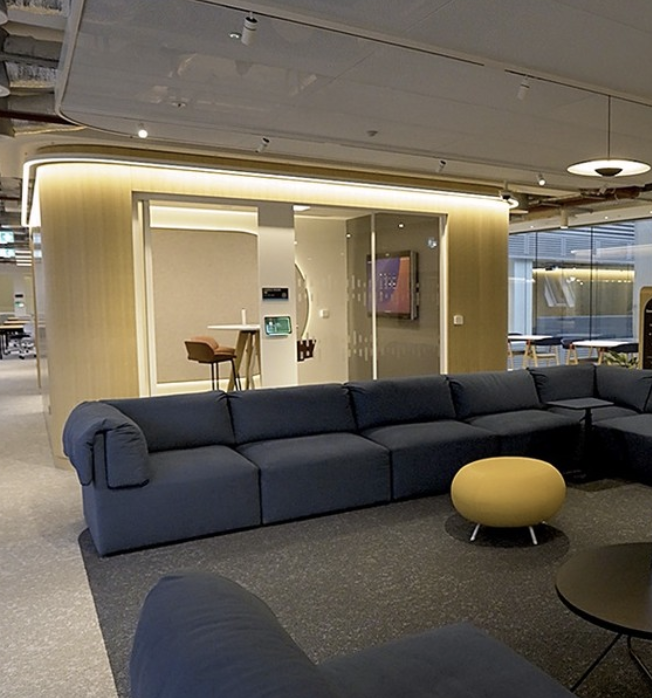
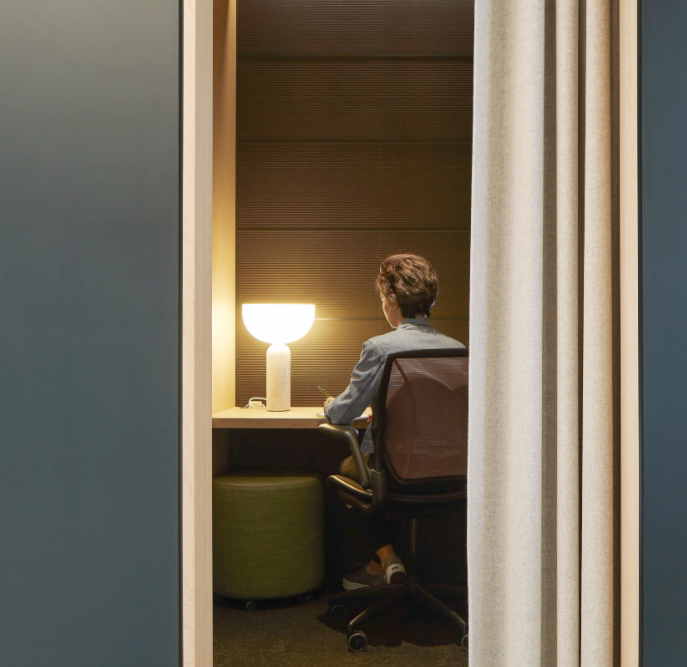
At Cisco’s London office, staff can choose from multiple work environments — from bustling café-style zones to quiet, secluded areas with adjustable lighting, airflow and sensory levels. These spaces are not hidden away but integrated into the office flow, making them accessible and normalised for all employees. Wellness rooms with soft lighting, comfortable seating and low stimulation provide “escape hatches” for employees needing reprieve from noise or visual overload.
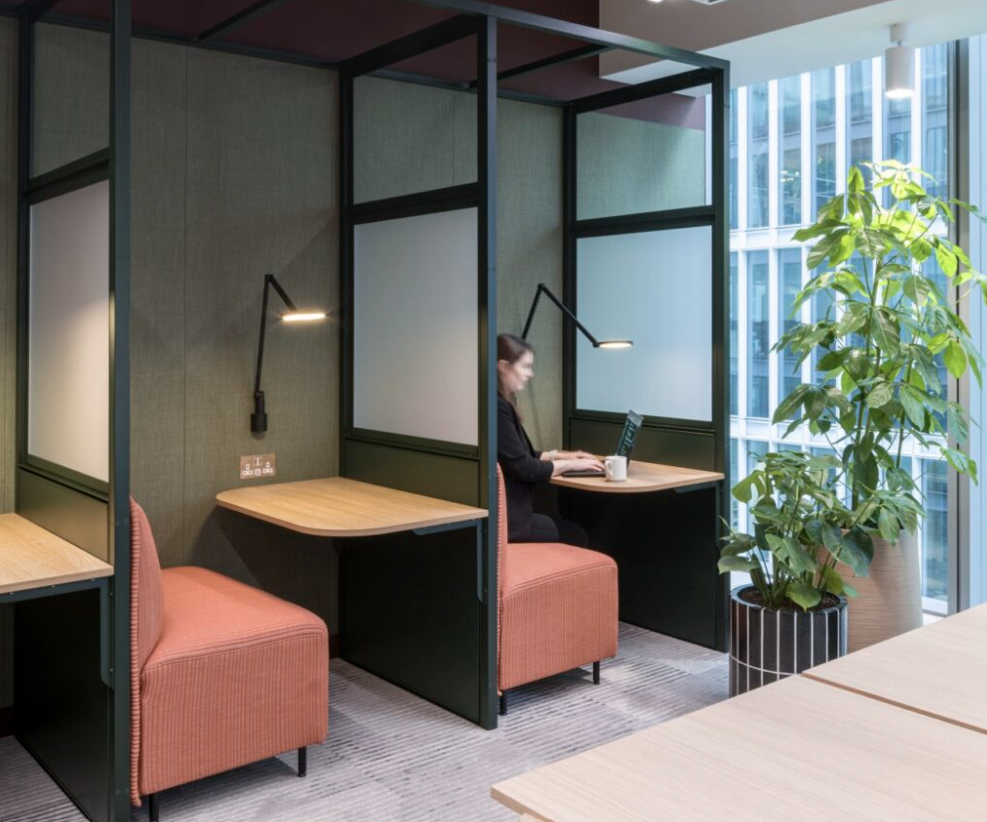
Design consultancies and employers alike are incorporating focus rooms, quiet nooks and acoustic booths — seen at organisations such as Osborne Clarke and Runway East in London — that allow employees to work in environments tailored for concentration and minimal distraction.
Customisation and Choice
Modern neurodiverse-friendly offices offer choice and autonomy. Varied zones with different sensory characteristics empower staff to select the space that best suits their task or mood — whether that’s a collaborative lounge, a high-energy brainstorming corner or a low-stimulus retreat.
Features such as zoned seating, acoustic furniture and tactile design elements (e.g., high-back booths, privacy chairs, textured surfaces) recognise that sensory comfort and control are key to cognitive accessibility.
Inclusivity by Design in Corporate Interiors
Large organisations are integrating neuroinclusive principles into major redesigns. For example, Virgin Media O2’s headquarters in Paddington includes libraries and soft-seating zones designed for lower stimulation, alongside collaborative spaces that support flexibility in how people work.
Similarly, BP’s Canary Wharf headquarters features a thoughtful balance between interactive hubs and distraction-reducing areas, with emphasis on daylight, greenery and ergonomic layouts that benefit both neurodiverse and neurotypical users.
2. Cultural and Public Spaces: Welcoming Sensory Experiences
Beyond corporate offices, museums, galleries and public venues are also creating spaces that welcome neurodiverse visitors.
Quiet Rooms and Sensory Break Areas
Major museums and attractions have introduced quiet rooms or sensory spaces — dedicated areas where visitors can regroup in a calm, low-stimulus environment. These typically feature subdued lighting, comfortable seating and minimal noise, providing a refuge from crowded, noisy public areas. Some venues pair these spaces with sensory backpacks or early access hours for neurodivergent visitors to explore exhibits before large crowds arrive.

Although specific examples vary, the principle is clear: when cultural institutions make thoughtful accommodations, they make participation and enjoyment possible for a broader audience.
Beyond Quiet Rooms: Sensory-Aware Public Design
In airports such as Gatwick and Heathrow, quiet spaces and low-stimulation waiting areas provide respite from the sensory intensity of travel hubs. These rooms often have dimmable lighting, sound buffering and comfortable seating — a critical accommodation for travellers who find crowded, loud spaces overwhelming.
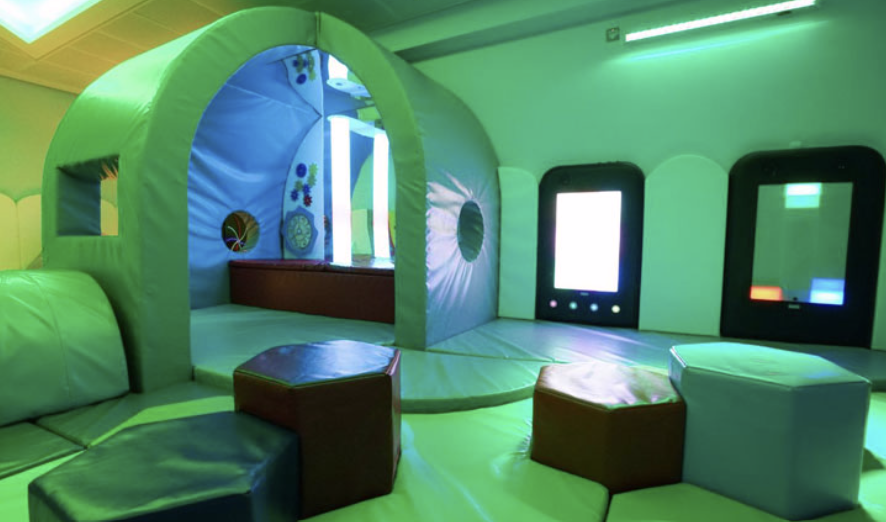
These adaptations transform public environments that can be inherently stressful into accessible, navigable spaces where neurodivergent people and families feel included rather than excluded.
3. Retail, Hospitality and Everyday Public Spaces
Neuroinclusive design is not confined to workplaces and galleries; it’s increasingly embraced in retail, leisure and hospitality contexts.
Sensory-Friendly Shopping Hours
Some large retailers (for example, major supermarket chains) have introduced sensory-friendly hours where lighting is softened, music is lowered or turned off, and staff are trained to provide support. These adjustments help create shopping experiences that are predictable and less overwhelming for neurodivergent customers.

Calming Restaurant and Lounge Zones
Hotels and restaurants are also recognising the importance of quiet dining areas with reduced noise and lighting for guests who prefer calmer environments. In these settings, menus may be digital to reduce pressure around social interaction, and layout clarity is prioritised to ease anxiety.
The President Hotel in Cape Town has developed in collaboration with Autism South Africa, new neurodivergent rooms that are designed with sensory comfort in mind, not as an afterthought, but as the foundation.

Daydream Cinema in the UK creates and supports accessible opportunities for neurodivergent and disabled people to enjoy films in their communities and in cinema venues.
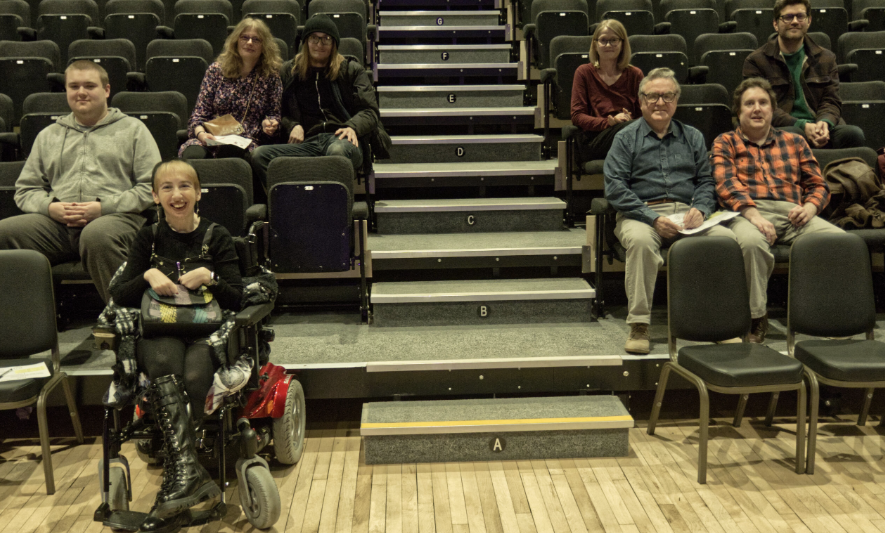
Such thoughtful design not only enhances accessibility but often improves the general customer experience by reducing stress and sensory fatigue for all patrons.
4. Architecture That Puts Minds First
Some projects are pushing inclusion even further by embedding neurodiversity into architectural design itself.
Neuroscience-Informed Buildings
The Sainsbury Wellcome Centre in London is a landmark example of neuroinclusive architecture. Designed with neuroscience research in mind, it allows residents (largely research scientists) to adjust environmental factors such as lighting and ventilation individually, reducing stress and supporting productivity. The spatial flow, natural light and flexible room configuration all contribute to a calming, adaptable environment.
These principles — from human-centred design to spatial flexibility — demonstrate that spaces shaped around real human experience can benefit cognitive function, reduce stress and improve overall occupation and teamwork.
5. Why These Adaptations Matter
Neuroinclusive environmental design isn’t just a matter of aesthetics. It directly supports:
- Sensory regulation: Quiet zones, low stimulation areas and flexible lighting reduce sensory overload.
- Participation: Clear layouts, wayfinding aids and predictable spaces make public venues and workplaces more navigable and welcoming.
- Inclusion and dignity: Providing choice and control over environments helps neurodiverse individuals engage without the cognitive and emotional toll of constant overstimulation.
- Wellbeing: Adaptations that support rest, focus and decompression benefit all employees and users, not only those who are neurodivergent.
By designing with diverse sensory experiences in mind, organisations send a powerful message: every brain matters.
6. Practical Takeaways for Businesses and Public Spaces
If your organisation is considering neuroinclusive adaptations, start with these practical strategies:
- Create dedicated quiet or sensory rooms with soft seating, low lighting and minimal noise.
- Offer flexibility in lighting and sound within shared environments so individuals can select sensory levels that work for them.
- Map spaces clearly and provide wayfinding to reduce anxiety and uncertainty.
- Train staff in neurodiversity awareness so they can support and guide visitors or employees appropriately.
- Engage neurodiverse stakeholders in design decisions to ensure adaptations truly meet lived needs.
Even small changes — a sensory hour, a quiet zone or an acoustic booth — can make public life, work and community participation more accessible for neurodiverse people.
Across the world, from corporate offices to public attractions and hospitality venues, spaces are evolving to be more welcoming to neurodiverse minds. These adaptations not only enhance inclusion; they improve comfort, productivity and overall experience for everyone. As neuroinclusive design becomes more recognised, the built environment itself becomes a powerful ally in supporting cognitive diversity.