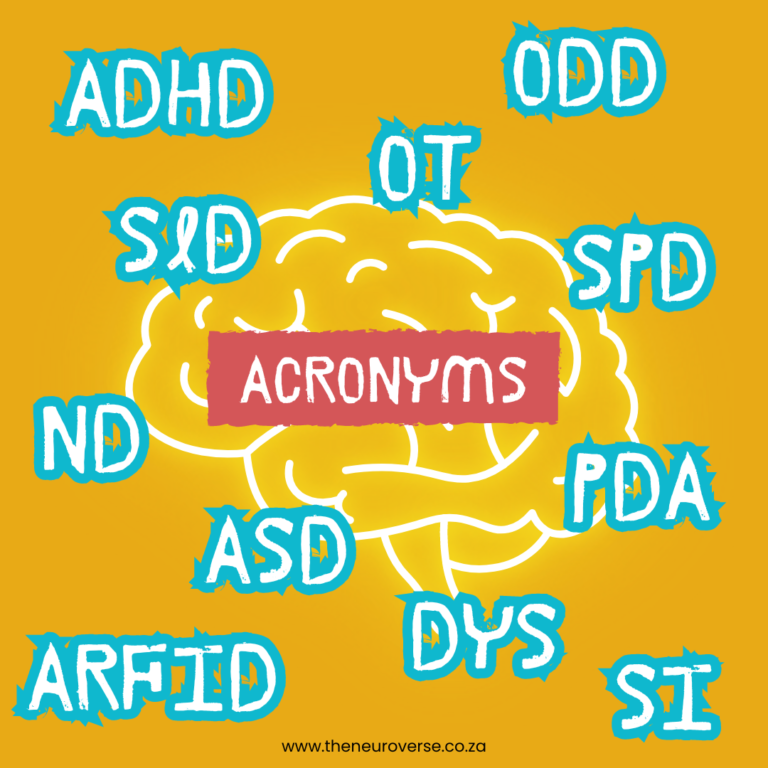

Social skills are the cornerstone of healthy relationships and successful interactions, yet for neurodivergent children, such as those with autism spectrum disorder (ASD) or attention deficit hyperactivity disorder (ADHD), mastering these skills can pose significant challenges. Recognizing and addressing these difficulties early on is paramount for the holistic development of these children. Let’s delve into the distinct social challenges faced by children with ADHD and autism, along with effective strategies for intervention and support.
Distinguishing Social Challenges in ADHD and Autism
Key to providing effective support is understanding the nuanced differences between the social challenges encountered by children with ADHD and those with autism. While both conditions impact social interactions, the underlying reasons and manifestations vary significantly.
Autism Spectrum Disorder (ASD):
Children with autism often exhibit delays in social skills, with signs potentially emerging as early as six months old. These may include poor eye contact, limited facial expressions, and a lack of engagement in social play. Communication challenges are also prevalent, with delays in language development and difficulties in understanding non-verbal cues. Moreover, behavioural patterns such as repetitive movements and adherence to routines are common in autistic children, alongside sensory sensitivities.
Attention Deficit Hyperactivity Disorder (ADHD):
In contrast, children with ADHD typically possess an understanding of social norms but struggle to implement them consistently. Their challenges often stem from difficulties with attention, impulsivity, and hyperactivity, which can hinder their ability to pick up on social cues and maintain appropriate behaviour. Communication may also be affected, with tendencies towards distractibility, tangential speech, and difficulty processing information.
Empowering Social Growth
Despite these challenges, there are various strategies and interventions that can support neurodivergent children in developing essential social skills and thriving in social environments:
- Tailored Coaching:
Providing individualized social skills coaching that considers the specific needs, strengths, and challenges of each child can be highly effective. This approach allows for targeted support in areas such as understanding social cues, practicing communication skills, and managing emotions.
- Roleplaying and Modelling:
Engaging neurodivergent children in roleplaying activities and modelling appropriate social behaviours can help them learn and internalize essential social skills in a safe and supportive environment. Through guided practice, children can gain confidence and competence in navigating social interactions.
- Positive Reinforcement:
Offering praise, encouragement, and rewards for efforts and successes in social situations can motivate neurodivergent children to continue practicing and applying newly acquired social skills. Positive reinforcement reinforces desired behaviours and boosts self-esteem.
- Social Skills Groups:
Participating in social skills groups or peer support networks tailored to neurodivergent children can provide valuable opportunities for practicing social interaction, learning from peers, and building friendships in a supportive setting.
- Family and Community Involvement:
Involving families, educators, and community members in supporting the social development of neurodivergent children is essential. Collaboration ensures consistency in expectations, reinforces learning across different environments, and fosters a supportive network for the child.
Conclusion
Understanding the distinct social challenges faced by neurodivergent children, whether diagnosed with ADHD or autism, lays the foundation for effective support and intervention. By implementing tailored strategies that address communication, behaviour, and social interaction, caregivers can empower these children to develop essential social skills and thrive in diverse environments.
Embracing neurodiversity and fostering inclusive communities involves recognizing and valuing the unique strengths and perspectives of every individual. With patience, empathy, and targeted intervention, we can nurture the social growth of neurodivergent children, paving the way for meaningful connections and fulfilling relationships.