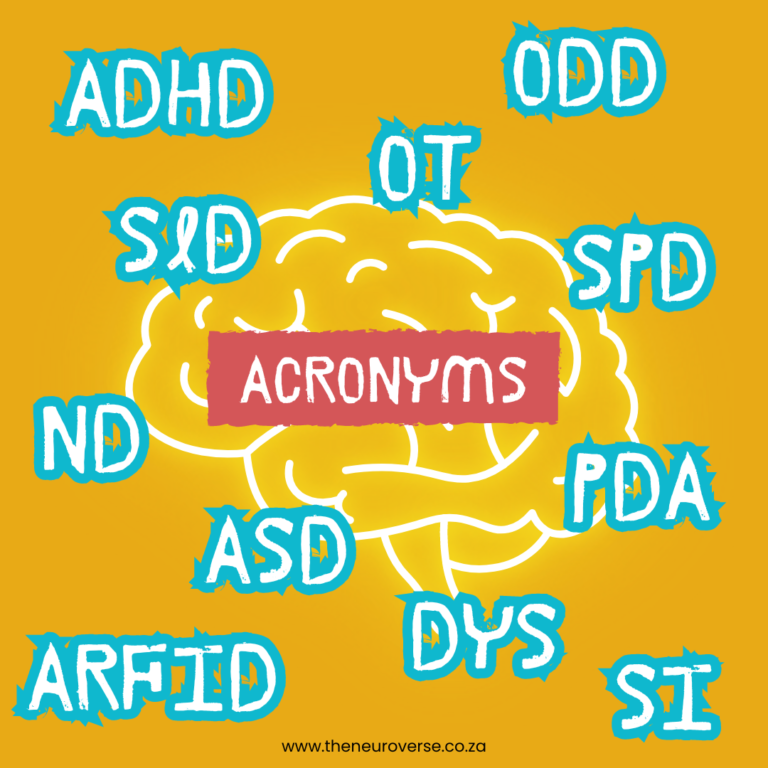

Parents of children with learning and behavioural challenges often report that their kids also struggle with sensory processing issues. While these difficulties are well-documented in children with Autism Spectrum Disorders (ASD), it’s becoming increasingly recognised that sensory processing issues can affect children across the spectrum, including those who do not have ASD.
What is Sensory Processing Disorder (SPD)?
Sensory Processing Disorder, previously termed “sensory integration dysfunction, is a condition where the brain has trouble integrating multisensory information. This means that children (and adults) with SPD may have difficulties interpreting and reacting to what they see, hear, taste, touch, and smell. Sensory input can seem overwhelming, or on the contrary, too faint to distinguish. In some cases, sensory information may get mixed up—like associating the feel of velvet with the taste of salt or the colour purple with the sound of rain.
Sensory processing encompasses eight senses, including the traditional five: taste, smell, hearing, vision, and touch. Additionally, it involves three supplementary aspects.
The vestibular system and proprioception are often regarded as the “sixth and seventh senses.” Proprioception provides individuals with a sense of their body’s movements and positioning, enabling awareness of actions like raising a hand. The vestibular system, comprising the inner ear and brain, aids in regulating eye movements, balance, and spatial orientation. The eighth component, interoception, refers to the internal perception of bodily states, such as temperature sensation through the skin or recognising hunger and thirst cues. It also includes awareness of one’s heart rate and the connection between emotions and physiological responses.
SPD can profoundly impact daily functioning, making the world seem too intense or oddly detached. It’s important to note that SPD and ADHD are distinct, though they can coexist, requiring tailored approaches for each.
Prevalence and Types of Sensory Issues
It’s estimated that 1 in 6 children experiences sensory symptoms significant enough to affect their daily lives. Sensory Processing Disorder can influence one or multiple senses, including internal senses like proprioception (sense of body position), vestibular sense (balance), and interoception (internal body awareness).
Sensory issues fall into two main categories:
- Hypersensitivity (over-responsiveness) to sensory stimuli, where everyday sounds, textures, or lights can feel unbearably intense.
- Hyposensitivity (under-responsiveness) to sensory stimuli, leading to a lack of reaction to pain, an invasion of personal space, or a constant need for sensory stimulation.
Signs and Symptoms
Children with sensory processing issues may display a range of behaviours that are responses to their sensory challenges. Hypersensitive children might cover their ears at small sounds, avoid physical touch, or be extremely cautious with playground equipment. Conversely, children with hyposensitivity might seek excessive physical contact, display a high tolerance for pain, or engage in risky behaviours due to a lack of sensory feedback.
How to Support a Child with Sensory Processing Issues
For families navigating sensory processing issues there are strategies and programs designed to help children process sensory input more effectively. Sensory integration specific occupational therapy can help children organise and interpret sensory information more effectively, leading to improved regulation and better overall functioning.
Moreover, minimizing sensory overload can significantly enhance daily experiences for children with sensory sensitivities. This can include understanding your child’s sensory profile, thereby creating quiet spaces at home, carefully managing sensory exposure, and maintaining a routine that includes scheduled silent times to help the child reset and cope better with sensory demands.
Understanding and Managing sensory Processing Issues
Understanding that sensory processing issues are not limited to ASD is crucial for appropriate diagnosis and support. With increased awareness and targeted strategies, children with SPD can find better ways to navigate their world. If you suspect your child might have sensory processing issues, consider seeking a diagnosis and exploring treatment options, including occupational therapy and sensory integration therapy. These interventions can make a significant difference in a child’s ability to function and thrive in their daily life.