
Trauma in Neurodivergent Children

Trauma in neurodivergent children is often overlooked, misinterpreted, or compounded by systems that fail to understand the body’s language.
Trauma in neurodivergent children is often overlooked, misinterpreted, or compounded by systems that fail to understand the body’s language.
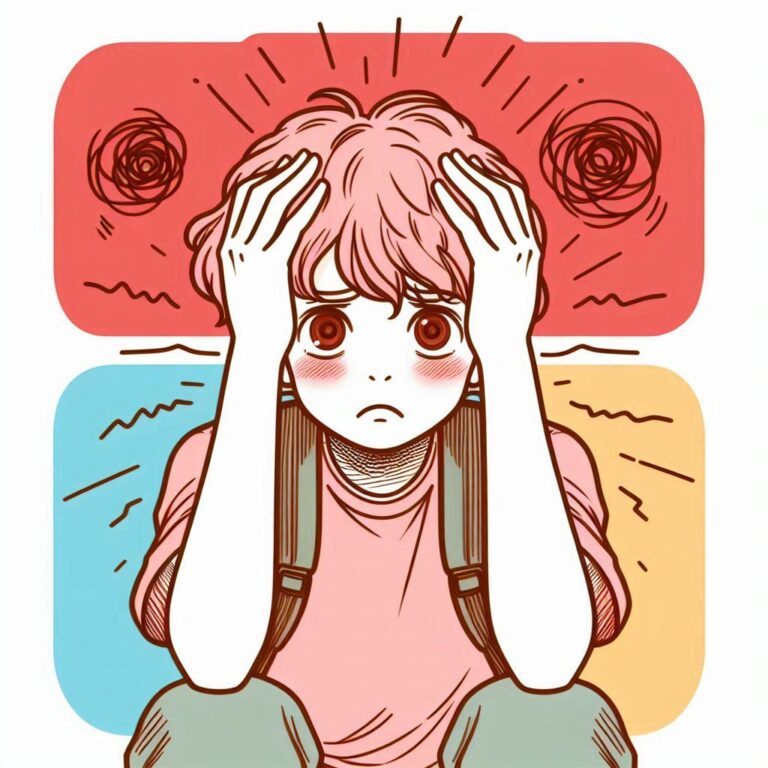
Viewing PDA through the lens of Polyvagal Theory provides invaluable insight into how a child's nervous system reacts to demands and offers strategies to help them achieve a state of regulation and safety.
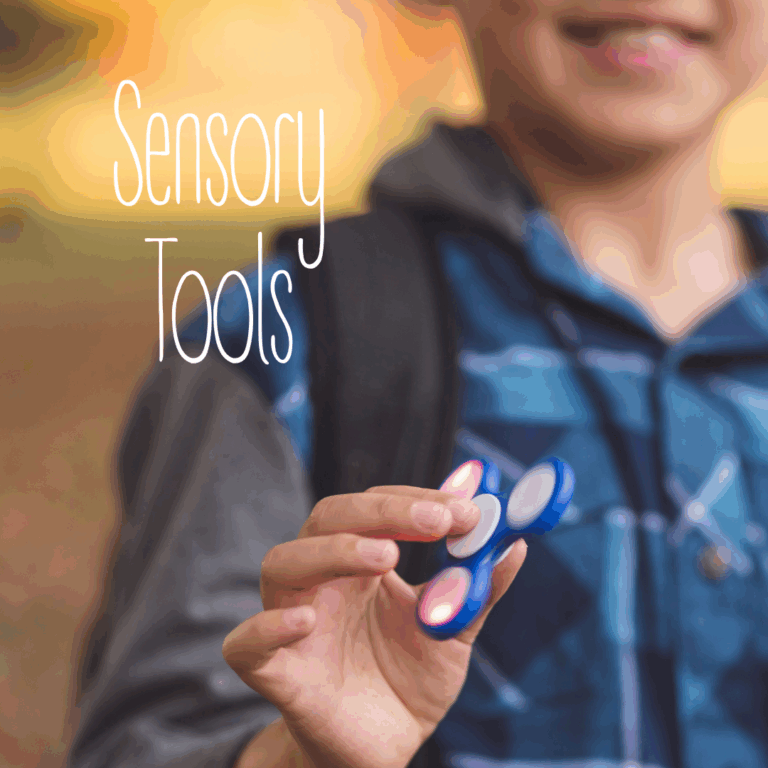
Here’s a breakdown of some of the most useful sensory and focus aids for neurodivergent children.

Curious about DIRFloortime? Find out what it is and how this approach may be a good fit for your neurodivergent child.

The top 3 pieces of OT equipment to have installed in your home as prescribed by a sensory integration occupational therapist.

Swallowing pills can be a complex task for neurodivergent children. Here are some tips and tricks to teach your child how to swallow pills.

Being able to imagine what someone else may be thinking or feeling is called Theory of Mind. But what happens when this skill works differently?
Get a better understanding of the similarities & differences between ASD & ADHD — as well as how they can co-occur.

This article explores the potential benefits of certain nutrients and how they may support neurodivergent children.

Why do some kids fidget, rock, or move and how can teachers support movement & learning in the classroom?