Understanding the DSM-5: ADHD & ASD Diagnosis
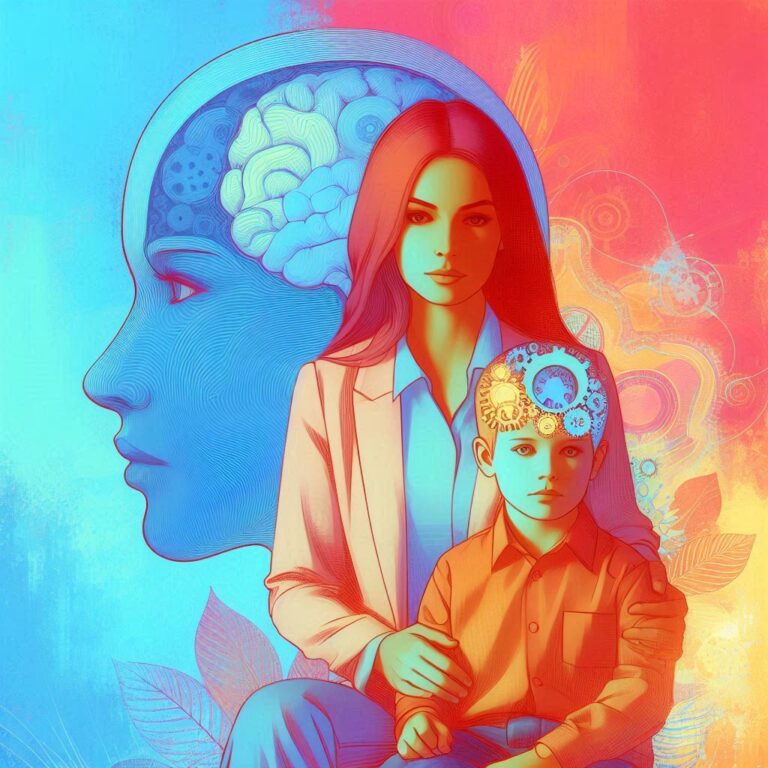
Understanding the criteria outlined in the DSM-5 can help parents recognise potential signs and seek appropriate evaluation and support for their children.
Understanding the criteria outlined in the DSM-5 can help parents recognise potential signs and seek appropriate evaluation and support for their children.

Did you know that you may qualify for claiming a medical tax credit and possibly get a tax refund if your child has a disability like ADHD or ASD?

Growing up with a sibling who has a neurodevelopmental disorder like autism or ADHD can challenging for neurotypical siblings.

Can your child bend their fingers backwards with ease? or put their hands flat on the floor? Check out this article.
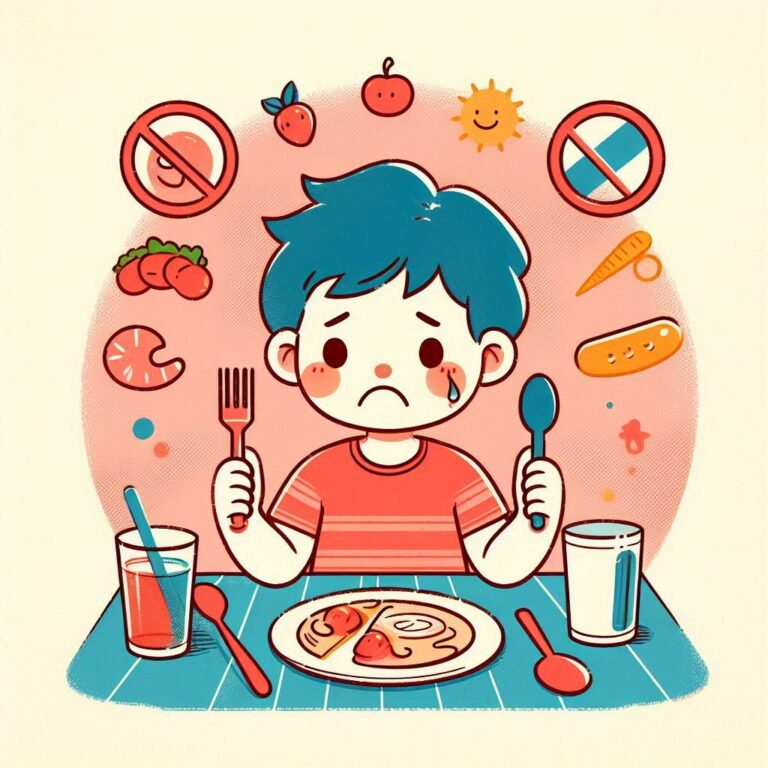
ARFID is relatively common among neurodivergent children. Recognising the warning signs of ARFID early is crucial for timely intervention.

A look at the impact of raising neurodiverse kids on your relationship and what you can do to keep it together.

Up to 6 children per class could have a neurodivergence. How does this affect our kids and how to help them.

We asked our community of parents a few questions to get to know everyone a little more and to help us find ways to best support them.

Studies on caffeine's impact on ADHD yield mixed results. If you're considering treating your child's ADHD with a cup of coffee, read this first.

Mindfulness practices can be particularly beneficial for neurodivergent children. Here are some quick exercises.