
When writing feels far harder than it should
A child can tell you every detail of a story out loud — imaginative, articulate, clever — but the moment they are asked to write it down, everything changes.
They grip the pencil tightly. Their hand hurts. Letters float above the line. Words are unfinished. Writing takes so much energy that by the end of a sentence, they are exhausted.
Parents are often told:
“They just need to practise more.”
“They’re rushing.”
“They’re lazy.”
“They need neater handwriting.”
But sometimes, the issue is not effort at all.
Sometimes, it is dysgraphia.
What Is Dysgraphia?
Dysgraphia is a neurodevelopmental difference that affects written expression and handwriting. It is not simply “messy handwriting.” Dysgraphia can impact the physical act of writing, the organisation of thoughts on paper, spelling, spacing, punctuation, sentence structure, and writing fluency.
Children with dysgraphia often know exactly what they want to say, but translating those thoughts into writing can feel incredibly difficult.
Writing is actually one of the most complex tasks the brain performs. It requires:
- fine motor coordination
- language processing
- working memory
- visual-spatial skills
- planning and sequencing
- attention and executive functioning
For children with dysgraphia, these systems do not work together smoothly.
Dysgraphia Is Often Missed
Dysgraphia is still widely misunderstood and under-identified, especially in mainstream schools.
Some children are labelled careless.
Others avoid writing altogether.
Some become anxious or perfectionistic because writing feels so overwhelming.
And many highly intelligent children slip through unnoticed because they compensate verbally.
A child may:
- speak far above their age level
- understand complex concepts
- read beautifully
- participate confidently in discussions
…but completely shut down when faced with a blank page.
Signs Of Dysgraphia
Every child is different, but common signs can include:
- handwriting that is inconsistent or difficult to read
- unusual pencil grip or awkward writing posture
- writing that is extremely slow or effortful
- complaints of hand pain or fatigue
- difficulty spacing words or staying on lines
- mixing upper- and lowercase letters
- skipping letters or words
- trouble organising thoughts in writing
- avoiding homework involving written tasks
- better verbal expression than written expression
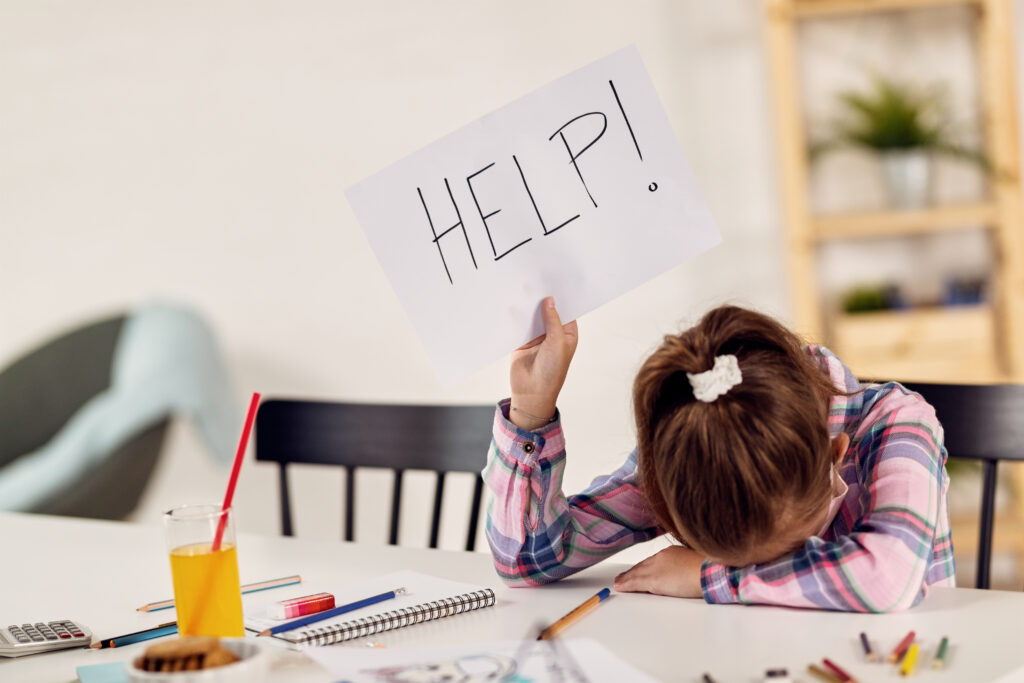
- frustration, tears, or shutdown around writing
Importantly, neat handwriting does not automatically rule out dysgraphia. Some children can produce neat writing when working slowly and carefully, but the effort required is enormous and unsustainable.
Dysgraphia Often Co-Occurs With Other Neurodivergence
Dysgraphia commonly occurs alongside:
- ADHD
- dyslexia
- dyspraxia / Developmental Coordination Disorder (DCD)
- Autism Spectrum Disorder (ASD)
- executive functioning difficulties
Research continues to show strong overlap between handwriting difficulties, motor coordination differences, and executive functioning challenges.
This is one reason dysgraphia can sometimes be missed — the writing difficulties may be attributed only to ADHD, anxiety, or poor attention.
The Emotional Impact of Dysgraphia Is Often Overlooked
Many children with dysgraphia become deeply discouraged.
Imagine constantly being asked to prove your intelligence through the very skill your brain finds hardest.
Children may:
- avoid schoolwork
- appear oppositional
- lose confidence
- become anxious about tests
- compare themselves negatively to peers
- feel ashamed of their handwriting
Over time, this can significantly affect self-esteem.
One adult with dysgraphia described feeling “nervous every time I have to write.” Another explained that people often assume dysgraphia is “just bad handwriting,” when in reality it affects getting thoughts onto paper at all.

Support Makes A Huge Difference
For the full support article on dygraphia CLICK HERE
Children with dysgraphia do not need punishment or endless rewriting drills.
They need support.
Helpful accommodations can include:
- typing instead of handwriting
- speech-to-text software
- extra time in tests
- reduced copying from the board
- occupational therapy
- graphic organisers
- alternative ways to demonstrate knowledge
- smaller written workloads
- explicit writing support
The goal is not perfection.
The goal is access.
When we reduce the physical and cognitive load of writing, children are often finally able to show what they truly know.
What Parents Need To Know about Dysgraphia
If your child seems bright, capable, and verbally expressive — but writing consistently feels like a battle — trust what you are seeing.
Dysgraphia is real.
It is neurological.
And support can change everything.
Children with dysgraphia are not lazy.
They are not careless.
And they are certainly not less intelligent.
Sometimes the child who struggles most to write is carrying extraordinary ideas that simply need another way to be expressed.
For the full support article on dygraphia CLICK HERE
References
- MDPI Children Journal: Motor Aspects of Handwriting Acquisition and Developmental Dysgraphia (2025)
- Scientific Reports: Assessment Indicators That Influence Handwriting Difficulties (2025)
- European Psychiatry: Understanding Dysgraphia in DCD Children (2025)
- Research reviews on dysgraphia detection and executive functioning
- Community lived experiences from Reddit dysgraphia forums
Article images by jcomp on Magnific