
Navigating the intricacies of emotions can be challenging for anyone, but for neurodivergent children, this task can be particularly daunting.
Neurodivergent individuals, including those with autism spectrum disorder (ASD), attention deficit hyperactivity disorder (ADHD), dyslexia, or other developmental differences, often experience difficulties in expressing their feelings in conventional ways.
This can lead to misunderstandings, frustration, and a sense of isolation for both the child and those around them.
Here are several reasons why neurodivergent children may find it hard to describe their feelings:
Interoception:
Difficulties with interoception may cause trouble with neurodivergent kids being able to articulate their feelings because they struggle to identify and label their internal experiences. This can lead others to misinterpret their behaviour or assume that they are not experiencing emotions.
It can also inhibit a child’s awareness of their own physiological changes associated with different emotional states. For example, they may not recognize that a racing heart and sweaty palms indicate feelings of anxiety or excitement.
Communication Differences:
Some neurodivergent children struggle with verbal communication. They may have difficulty finding the right words to express their emotions or may communicate differently through non-verbal cues such as gestures, facial expressions, or body language. This can make it challenging for them to convey their feelings accurately to others.
Sensory Overload:
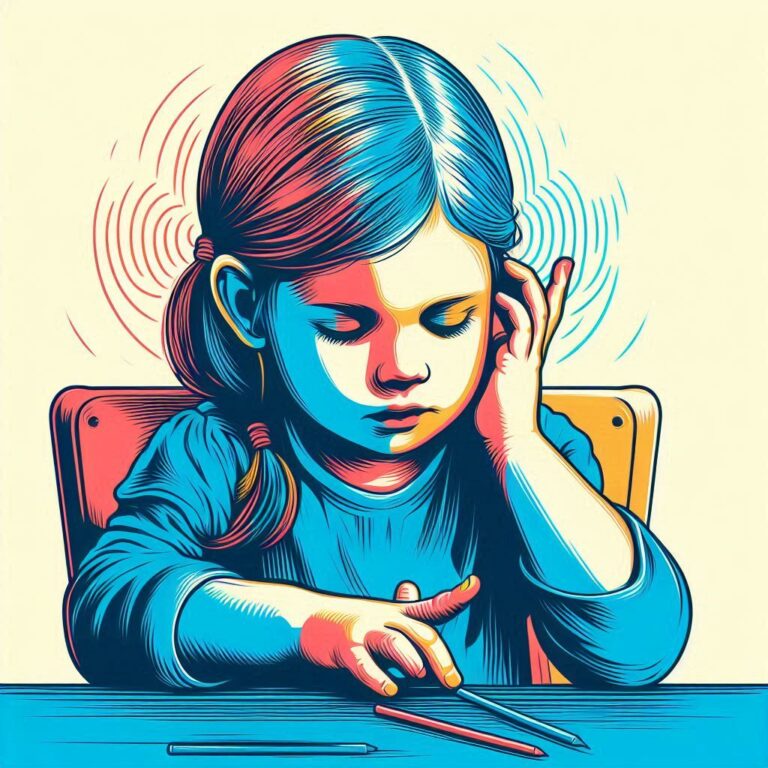
Sensory sensitivities are common among neurodivergent individuals. Loud noises, bright lights, crowded spaces, or certain textures can be overwhelming and may trigger emotional responses. In such situations, the child may find it difficult to identify and articulate their feelings amidst the sensory overload they are experiencing.
Executive Functioning Challenges:
Executive functioning skills, which involve processes such as planning, organising, and self-regulation, are often impaired in neurodivergent kids. These difficulties can impact the child’s ability to regulate their emotions effectively and articulate their feelings in a coherent manner.
Supporting neurodivergent children in expressing their feelings requires patience, understanding, and a willingness to adapt communication strategies to meet their unique needs.
Tips for parents, educators, and caregivers:
Create a Safe and Supportive Environment:
Foster an environment where the child feels safe to express their feelings without fear of judgment or criticism.
Use Visual Aids:
Visual supports such as emotion charts, picture cards, or social stories can help neurodivergent children identify and express their emotions more easily.
Encourage Non-Verbal Communication:
Recognise and validate the child’s non-verbal cues such as gestures, facial expressions, or changes in body language as indicators of their emotional state.
Provide Language Support:
Offer assistance in finding words to describe emotions and encourage the child to use alternative forms of communication such as drawing, writing, or using assistive technology if verbal communication is challenging.
Teach Emotional Regulation Skills:
Help the child develop strategies for regulating their emotions such as deep breathing exercises, mindfulness techniques, or sensory breaks. Engage in role-playing activities or storytelling to illustrate how emotions manifest in various situations.
Model Empathy and Understanding:
Demonstrate empathy and validate the child’s feelings by acknowledging and empathizing with their experiences. Model active listening skills and encourage empathy by asking questions like, “How do you think that made them feel?” or “What can we do to help?”
By recognising the unique challenges that neurodivergent children face in expressing their feelings and providing appropriate support and accommodations, we can help empower them to navigate their emotions more effectively and foster meaningful connections with others.