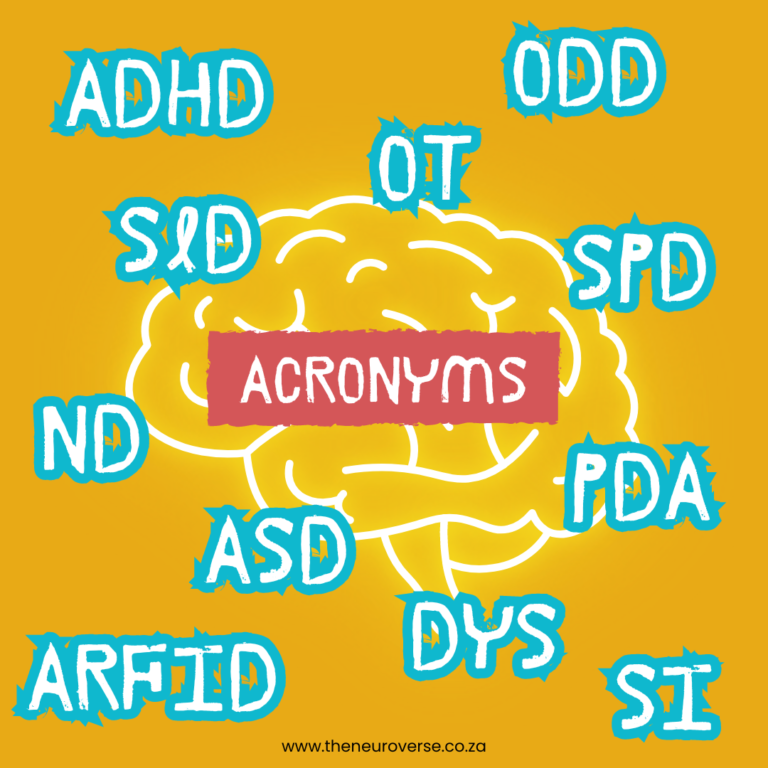

In the realm of parenting and education, especially when it comes to children with neurodiversity, a cookie-cutter approach to discipline doesn’t cut it. Traditional methods like scolding or time-outs often miss the mark, failing to consider the unique challenges and needs of these children. So, how do we bridge this gap? The answer lies in a more nuanced, understanding, and positive approach.
The Power of Positive Reinforcement
At the heart of effective discipline strategies is the concept of positive reinforcement, a principle widely embraced in Applied Behaviour Analysis (ABA) therapy. It’s simple yet profound: reward the behaviours you want to see. Whether it’s offering praise for using a quiet voice in the library or a sticker for completing homework, positive reinforcement encourages the repetition of desirable actions.
Setting Clear Expectations
Clarity is key. Children with neurodivergence often benefit from knowing exactly what’s expected of them, which can be achieved through direct communication, visual cues, and role-playing. For instance, a visual schedule can help a child understand the sequence of daily tasks, reducing anxiety and promoting compliance.
Nonverbal Behaviour Management Strategies
Not all communication needs to be verbal. Techniques like visual behaviour supports can be incredibly effective. From “First-Then” boards that break down tasks into manageable steps to contingency maps that illustrate the consequences of certain actions, these tools help children understand and meet expectations without a word being spoken.
Fostering Independence and Problem-Solving
A crucial aspect of positive discipline is empowering children to be part of the solution. This involves engaging them in setting rules, creating classroom agreements, and taking on responsibilities. It’s about fostering a sense of belonging and significance through contribution, not entitlement.
Encouragement Over Praise
While praise can be effective, encouragement goes a step further by focusing on effort and process. It helps children develop a growth mindset, where they see challenges as opportunities to learn and grow. This shift from external validation to internal motivation can have profound effects on a child’s self-esteem and perseverance.
Creating a Safe Space for Cooling Off
The concept of “positive time out” focuses on teaching children self-regulation skills. Instead of punishment, it’s about creating a calming environment where children can learn to manage their emotions constructively. It’s a proactive strategy that acknowledges the importance of emotional well-being in behaviour management.
Understanding the Iceberg of Behaviour
Every behaviour has an underlying cause, often hidden beneath the surface. By understanding the motivations behind a child’s actions, whether it’s seeking attention or asserting independence, adults can address the root causes rather than just the symptoms. This understanding can transform challenging moments into opportunities for growth and connection.
The Role of Class Meetings and Role-Play
Incorporating class meetings and role-play into daily routines can have a transformative effect on a classroom’s dynamics. It’s not just about solving problems but about building a community where every child feels heard, valued, and capable of making positive contributions.
Bringing It All Together
Discipline, at its core, is not about control but about teaching and guiding. It’s about showing children, especially those with neurodivergence, that they are understood, valued, and capable of making positive choices. Through a combination of positive reinforcement, clear communication, and a focus on emotional regulation, we can create an environment where every child can thrive.
In essence, positive discipline isn’t just a set of strategies but a philosophy that respects the individuality of each child, encouraging them to navigate their world with confidence and empathy.