
Dyslexia is one of the most common learning differences worldwide, yet it is still widely misunderstood. Many children are labelled as “lazy” or “not trying,” when in reality, their brains simply process written language differently.
This guide will help you understand what dyslexia is, how to recognise it, and what support is available.
What is dyslexia?
Dyslexia is a specific learning disability that affects reading and spelling, particularly the ability to decode words and read fluently.
It is important to understand that:
- Dyslexia is not linked to intelligence
- It is a neurodevelopmental difference (a different way the brain processes language)
- It is lifelong, but with the right support, children can thrive
Recent research highlights that dyslexia is multifactorial, meaning it arises from a combination of genetic, brain-based, and environmental influences.
Brain imaging studies show that children with dyslexia may have differences in the brain’s reading network, including areas responsible for recognising written words.
What causes dyslexia?
Dyslexia tends to run in families and has a strong genetic component.
- Studies suggest 50–70% heritability
- Dozens of genes are linked to reading differences
- It reflects differences in brain connectivity, not a single “fault”
In simple terms: your child’s brain is wired differently for processing sounds, letters, and words.
Signs of dyslexia
Signs can vary by age, but common indicators include:
Early years (Grade R–Grade 1)
- Delayed speech or difficulty learning sounds
- Trouble recognising rhymes
- Difficulty linking sounds to letters
Primary school
- Slow or effortful reading
- Guessing words instead of decoding
- Difficulty spelling (even simple words)
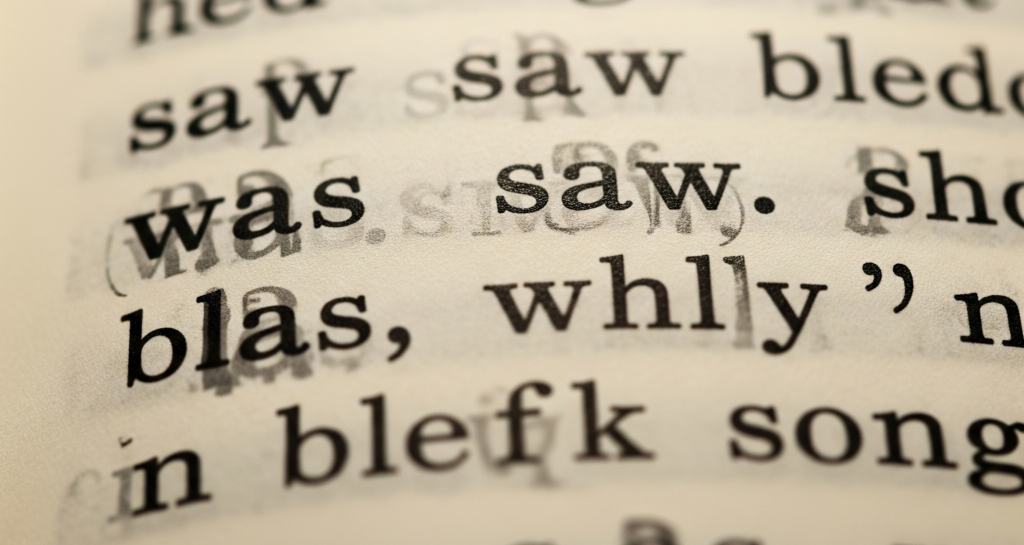
- Confusing letters like b/d or p/q
- Avoiding reading
Older children
- Poor reading fluency
- Difficulty summarising text
- Trouble with written expression
- Fatigue after reading tasks
A key underlying difficulty is often phonological processing — the ability to connect sounds to letters.
How is dyslexia assessed?
Dyslexia is not diagnosed through a single test. A comprehensive assessment is needed.
In South Africa, this is typically done by:
- Educational psychologists
- Speech-language therapists
- Occupational therapists (as part of a team)
Check out our specialists directory:

Assessment usually includes:
- Reading accuracy and fluency
- Spelling and writing skills
- Phonological awareness
- Memory and processing speed
- Cognitive ability (to rule out other causes)
Current research is moving toward earlier identification, rather than waiting for children to fail first.
What to do if you suspect dyslexia
If something feels “off,” trust your instinct.
Steps to take:
- Speak to your child’s teacher
- Request school-based support or screening
- Consult an educational psychologist
- Start support early — don’t “wait and see”
Research consistently shows that early intervention leads to better outcomes
What interventions help?
There is no “cure” for dyslexia — but there is highly effective support.
Evidence-based intervention:
Structured literacy approaches (like Orton-Gillingham) are the gold standard. These include:
- Explicit phonics instruction
- Step-by-step teaching
- Repetition and reinforcement
- Multisensory learning (seeing, hearing, touching)
These methods help strengthen the brain’s reading pathways.
Have a read of our article on dyslexia intervention and support.
How to support your child at home
You play a powerful role.
Practical strategies:
- Read together daily (without pressure)
- Use audiobooks alongside print if possible
- Break homework into smaller chunks
- Focus on effort, not perfection
- Celebrate strengths (creativity, problem-solving, big-picture thinking)
School support and accommodations
Children with dyslexia are entitled to support in many schools.
Possible accommodations:
- Extra time in tests and exams
- Reader or scribe support
- Use of a computer
- Reduced copying from the board
- Oral assessments where appropriate
In South Africa, formal accommodations may require:
- A psychological assessment report
- Application to exam bodies (e.g. IEB or DBE)
Here’s our article on school accommodations in South Africa:

The bigger picture: strengths and neurodiversity
Dyslexia is not just about challenges.
Many dyslexic individuals show strengths in:
- Creativity
- Problem-solving
- Big-picture thinking
- Innovation
Modern research increasingly recognises dyslexia as a different learning profile with strengths, not just deficits.
Final thoughts
Dyslexia can feel overwhelming at first — but with the right support, children can succeed academically and emotionally.
The earlier you understand your child’s learning profile, the sooner you can:
- Advocate effectively
- Access the right support
- Help your child build confidence
You are not alone — and neither is your child. Don’t forget to join our WhatsApp community if you’re looking for additional support.
References
- International Dyslexia Association. (2025). Updated definition of dyslexia
- Stanford Medicine. (2026). Reading-specific brain differences in dyslexia
- Grigorenko et al. (2026). Genetic pathways in dyslexia
- Verdant Psychology. (2025). Latest research on dyslexia
- Student Evaluation Center. (2026). Neuroscience behind dyslexia
- American Brain Foundation. What is dyslexia
- Child Mind Institute. (2025). Understanding dyslexia
- Science Focus. (2026). Genetics of dyslexia
- PMC Review. (2025). Understanding dyslexia