When Silence Feels Louder Than Meltdowns
When Silence Feels Louder Than Meltdowns: Parenting a neurodivergent Tween Who Shuts You Out
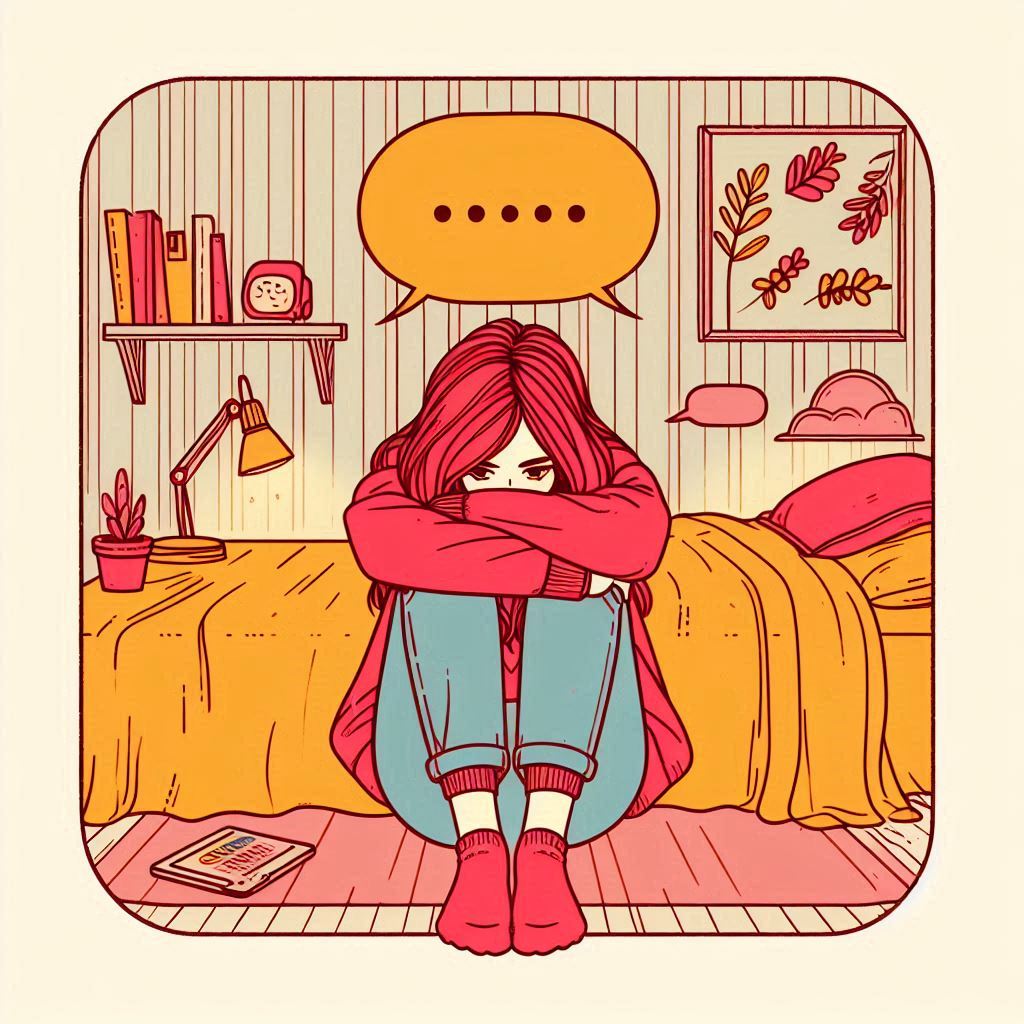
For many parents of neurodivergent children, the biggest emotional challenge isn’t always the outbursts. Sometimes, it’s the silence. A mom recently shared how difficult it is to connect with her ADHD tween — every attempt to talk about feelings is shut down. She reflected that at least with a meltdown, “you have something to work with.”
But what do you do when the door just won’t open?
Why Some ADHD Tweens Shut Down Emotionally
- Emotional overwhelm: Neurodivergent brains can feel emotions more intensely, but expressing them may feel unsafe or “too much.” Shutting down becomes a defense.
- Fear of judgment or shame: Many neurodivergent tweens/teens with have already internalised criticism from school or peers. Silence feels safer than risking “getting it wrong.”
- Executive function load: Naming emotions, holding onto a conversation, and finding words under pressure requires a lot of mental effort — sometimes it’s just easier not to engage.
- Developmental stage: The tween/teen years naturally bring separation and privacy. Add neurodivergence, and withdrawal can be amplified.
Parents often describe feeling helpless, frustrated, or shut out. Unlike a meltdown, there’s no obvious path in. The relationship can feel one-sided: the parent keeps reaching, but the child keeps retreating. It’s important to validate this pain — connection is a core human need, and the absence of it can feel like rejection.
Strategies to Build Connection
1. Meet them where they are
- Connection doesn’t always happen face-to-face. Try side-by-side activities — driving in the car, drawing, cooking, walking, gaming together — where talking feels less pressured.
2. Focus on shared moments, not big conversations
- Micro-connections add up: a laugh at a meme, a shared snack, a high five. These small threads weave safety and belonging.
3. Keep language light and open-ended
- Instead of “How are you feeling?” (which can overwhelm), try “That seemed tough — do you want to talk about it, or should we just hang out?”
4. Regulate your own nervous system first
- Kids feel our emotional intensity. If a parent brings anxiety or desperation to the interaction, it can push the child further away. Calm presence is the invitation.
5. Create opportunities for choice and agency
- Teens especially need to feel in control. Offer options: “Want to chat now, or later?” “Do you want to text me instead of talking?”
Reframing the Silence
Silence doesn’t always mean disconnection. Sometimes it’s your child’s way of protecting themselves, regulating, or processing. By staying consistent, warm, and available, you’re showing them: “I’m here when you’re ready.
And so…
Parenting a child who withdraws emotionally can feel like walking through fog — unclear, lonely, and disorienting. But connection doesn’t always look like heart-to-hearts or dramatic breakthroughs. It grows in small, patient acts of showing up again and again.
As parents, we don’t need to break down the door. We just need to leave the light on, so our child knows they can walk back through it when they’re ready.


Leave a Reply