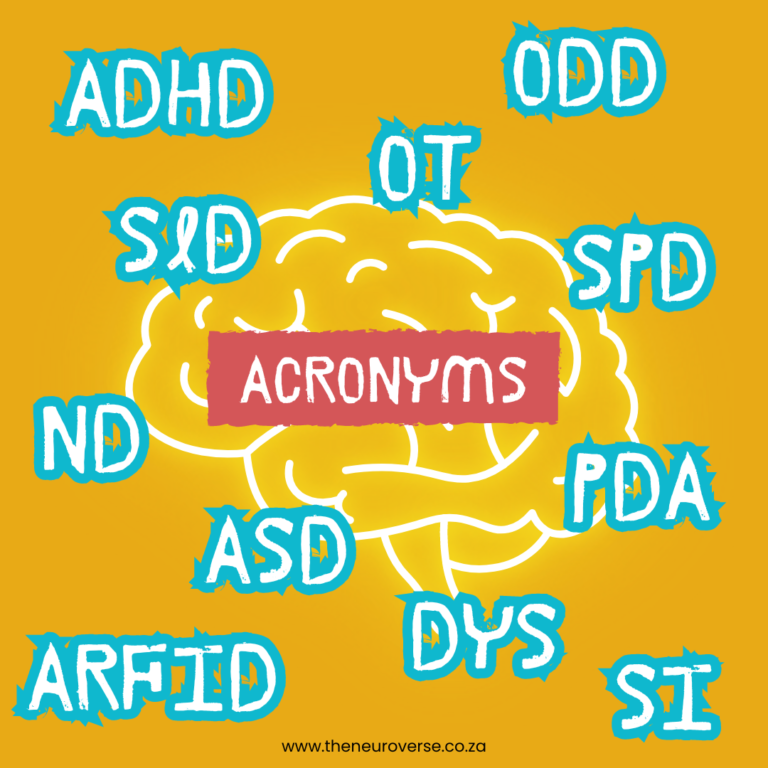

When we talk about executive functioning skills, we’re referring to the cognitive processes that act like a “command centre” in the brain. These skills allow us to plan, focus attention, remember instructions, and juggle multiple tasks. For neurodivergent children, including those with ADHD, autism spectrum disorder, or learning disabilities, these skills can present significant challenges that impact daily living and learning.
What is Executive Functioning?
In layman’s terms, think of the brain as a busy airport control tower managing countless planes (thoughts, actions, emotions) landing and taking off. Executive functioning is the brain’s ability to control that air traffic smoothly and efficiently, focusing on organizing, prioritizing, and completing tasks.
Key Executive Functioning Skills
- Initiation: Starting tasks independently.
- Inhibition: Controlling impulses and responses.
- Shift: Moving from one task or thought to another.
- Planning: Mapping out steps to achieve a goal.
- Organisation: Keeping thoughts and physical spaces orderly.
- Self-Monitoring: Recognising and adjusting one’s own behaviours and performances.
- Working Memory: Holding and manipulating information in mind.
- Emotional Control: Managing emotional responses in proportion to the situation.
Impacts of Struggling with These Skills
- Initiation: Delay in starting homework or projects.
- Inhibition: Difficulties in stopping behaviours at appropriate times, leading to social and academic repercussions.
- Shift: Problems transitioning between tasks, leading to frustration and incomplete work.
- Planning and Organisation: Challenges with managing assignments and responsibilities, resulting in poor academic performance.
- Self-Monitoring and Emotional Control: Lack of awareness about personal actions and unregulated emotional responses can strain relationships and hinder effective coping strategies.
Building Executive Functioning Skills
For children who struggle with these skills, tailored support and strategies are essential:
- Structured Routines: Creating consistent daily routines helps in building habits that can automate some of these skills.
- Visual Aids: Checklists, planners, and visual schedules can help children organize their tasks and time.
- Step-by-Step Approaches: Breaking down tasks into manageable parts can prevent feelings of overwhelm.
- Environmental Adjustments: Organised, clutter-free spaces reduce distractions and support better focus.
- Mindfulness and Physical Activity: Practices like yoga, mindfulness, and regular physical exercise can improve focus, emotional control, and cognitive flexibility.
Consequences of Unaddressed Executive Functioning Difficulties
If left unaddressed, difficulties in executive functioning can lead to:
- Academic Challenges: Incomplete homework, poor test performance, and overall lower academic achievements.
- Social Struggles: Difficulty making and maintaining friendships due to poor impulse control and inability to follow social cues.
- Behavioural Issues: Increased likelihood of acting out inappropriately due to frustration or misunderstanding social norms.
- Low Self-Esteem: Repeated failures and frustrations can lead to diminished self-confidence.
Why Therapy?
Therapeutic interventions like OT or coaching can be pivotal. They help tailor strategies to the child’s specific needs, reducing stress for both the child and the family. Early intervention can also set the stage for lifelong coping strategies, improving the child’s overall quality of life.
Conclusion
Executive functioning skills are critical in every stage of life, but especially so during childhood—a key period for development. For neurodivergent children, these skills often require deliberate teaching and practice. By understanding and supporting these needs, caregivers can significantly enhance a child’s ability to navigate school, relationships, and everyday challenges. With patience, persistence, and appropriate strategies, children can develop the skills necessary to manage their executive functioning challenges effectively.