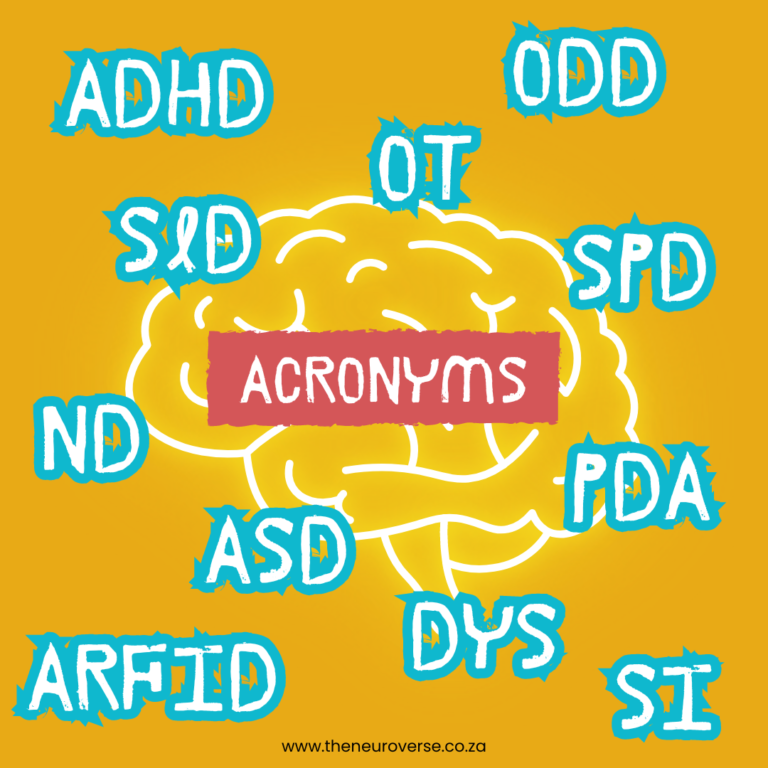

Explaining your neurodivergent child to family members and friends can be a sensitive, but important conversation. It’s often hard for parents of neurotypical children to understand what you are going through.
Here are some tips to help you navigate this discussion:
1️. Be Prepared:
We know you’ve got this – you’ve read all the articles you can by now. But, before talking to family and friends, educate yourself about your child’s neurodivergence. Understand their strengths, challenges, and any specific needs they may have. This way you’ll be ready to answer questions that come up easily.
2. Choose the Right Time and Setting:
Select a quiet and comfortable setting where everyone can focus on the conversation without distractions. Timing is crucial; choose a time when everyone is relaxed and able to engage in a thoughtful discussion. Let them know there is something important you’d like to chat to them about.
3. Use Clear and Simple Language:
Explain your child’s neurodivergence using clear and straightforward language. Avoid jargon or technical terms unless your family members are familiar with them.
4. Provide Information:
Share relevant information about the specific neurodivergence, including its characteristics, common traits, and any associated challenges. Use this opportunity to dispel any misconceptions.
5. Share the Positives
Start the conversation positively, emphasizing your child’s unique strengths and talents. Help your friends and family see the beauty and uniqueness in your child. Does your child have the ability to hyper focus or read people? Are they creative or have abundant energy?
6. Share Personal Experiences:
Share your personal experiences and challenges. Help your family and friends understand the day-to-day aspects of parenting a neurodivergent child, including both the joys and the difficulties.
7. Highlight Similarities, Not Just Differences:
We don’t want to put them off! So, emphasise the similarities between your neurodivergent child and other children. Highlight shared interests, hobbies, and the universal aspects of childhood that will resonate with your family member or friend.
8. Express Your Feelings:
Open up about your own feelings, concerns, and hopes for your child’s future. This vulnerability can help others connect with your experience on an emotional level.
9. Provide Resources:
Share relevant resources, such as articles, books, or videos, that can help better understand your child’s neurodivergence. This can offer additional perspectives and insights.
10. Encourage Questions:
Let your family and friends know that you’re open to questions. Encourage them to ask anything they might be curious about, fostering an environment of open communication.
Understand that it might take time for your extended family to fully comprehend and adjust. Be patient, and reassure them that you are there to answer questions and provide support.
Remember, the goal is to foster empathy, support, and a sense of community. By sharing information in a positive and open manner, you can help create an environment that embraces and supports your neurodivergent child.