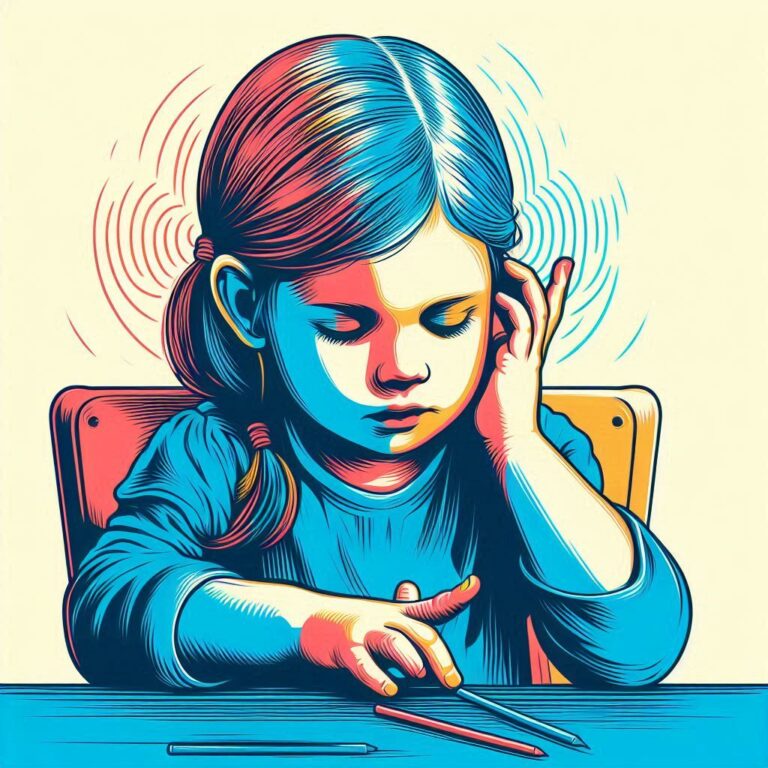

Shoot, we know it’s hard. When a meltdown happens, it might trigger you as well. We can’t always be the perfect parent, but we can try and manage meltdowns as best we can. And remember, it’s not personal, it’s not you. You’re doing your best and that’s all you can do. You’ve got this….
Here are some things to avoid when your neurodivergent child is having a meltdown:
1️. Try Not React with Anger or Frustration:
Responding with anger or frustration can escalate the situation. It’s essential to try and remain calm and composed, even if the behaviour is challenging.
2️. Avoid Invalidating Their Feelings:
Never dismiss or invalidate your child’s emotions. Even if you don’t fully understand, acknowledge their feelings and let them know it’s okay to feel the way they do. If they are hurting or destroying something, you need to let them know that they are allowed to feel that way but they are not allowed to hurt or damage anything.
3️. Don’t Use Threats or Punishments:
Avoid threatening or punishing your child during a meltdown. This can increase stress and make the situation worse. Instead, focus on supporting and understanding their needs. Remember, they aren’t in a zone where they can fully comprehend what’s going on.
4️. Minimize Physical Contact if Unwanted:
Some neurodivergent individuals may be sensitive to touch during a meltdown. Be mindful of your child’s sensory needs and preferences. If physical contact is unwelcome, respect their boundaries.
5️. Don’t Force Communication:
If your child is non-verbal or struggling to communicate, don’t force them to speak or explain what’s happening. Give them the time and space they need to calm down.
6️. Avoid Overstimulating Environments:
If possible, move your child to a quieter and less stimulating environment. Avoid loud noises, bright lights, or crowded spaces, as these can exacerbate the meltdown.
7️. Don’t Compare Them to Others:
Avoid making comparisons with neurotypical children or siblings. Each neurodivergent child is unique, and their experiences may differ. Comparisons can create additional stress.
8️. Refrain from Publicly Shaming:
If the meltdown occurs in a public setting, avoid drawing unnecessary attention or shaming your child. Instead, focus on finding a quiet space to provide support and understanding.
Remember, meltdowns are often a result of sensory overload or difficulty in processing emotions. By responding with patience, empathy, and understanding, you can help your child navigate these challenging moments more effectively.